


‘My Goal Is to Shed Light on How Deaf Children Develop in Russia’
Having completed her PhD in the UK, Valeria Vinogradova dreams of applying her knowledge and experience to create an interdisciplinary centre for deafness studies in Russia. In an interview for the Young Scientists of HSE University project, she spoke about Russian Sign Language, her love of modern jazz, and much more.
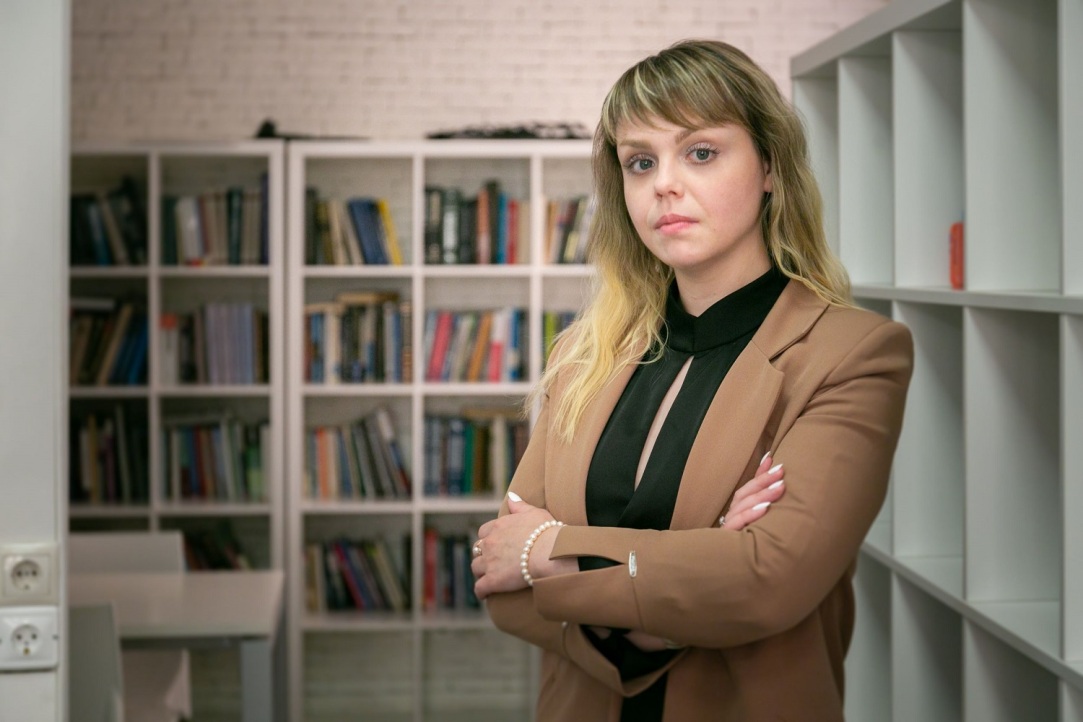
‘A Cat That Jumps from the Floor to a Shelf Doesn't Know Newton's Laws’
Anastasia Malashina defended her thesis on a topic related to cryptographic methods of information protection and is now engaged in applied projects in strategic analytics. In an interview with the Young Scientists of HSE University project, she discussed the difficulties she faced during her studies and explained what cryptography is and why large language models will not replace human intelligence.
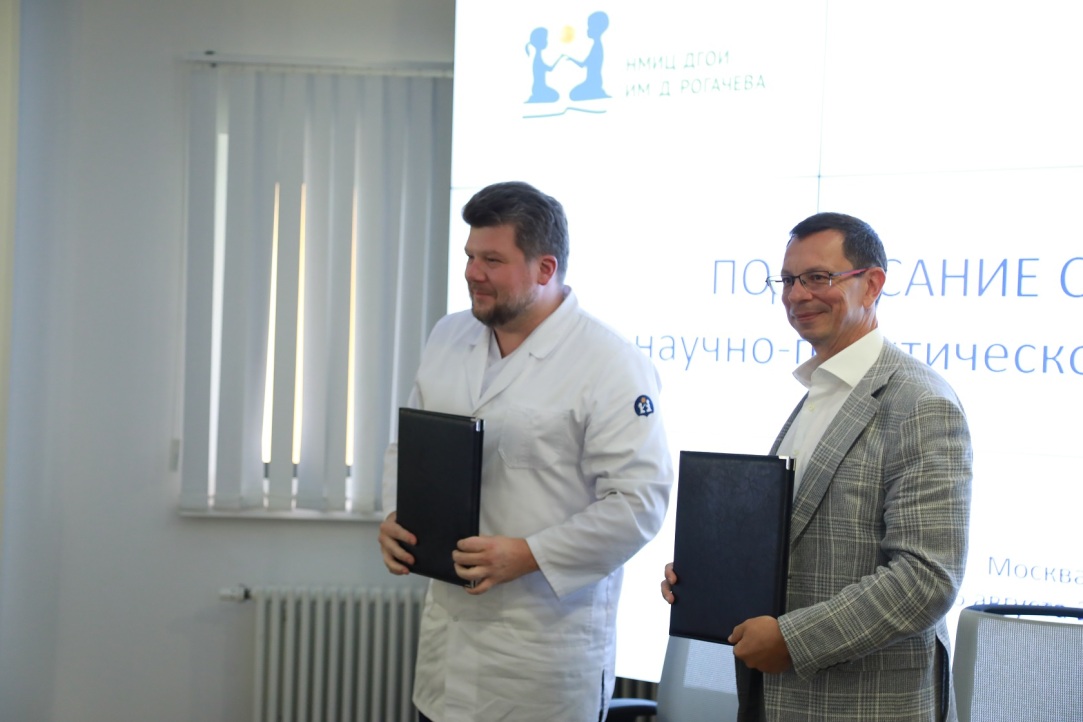
HSE University and Children’s Oncology Centre Partner to Advance Scientific Research and Practice
HSE University and the Dmitry Rogachev National Medical Research Centre of Pediatric Hematology, Oncology and Immunology have signed an agreement on scientific and practical cooperation. The document was signed by Nikita Anisimov, HSE University Rector, and Nikolay Grachev, Director General of the Centre.

'It Is Essential to Rely on Facts and to Be Consistent and Honest'
Ksenia Rozhkova studies the labour market, learns foreign languages to gain a deeper understanding of the world, and has a passion for theatre. In this interview with the HSE Young Scientists project, she discusses non-cognitive characteristics, the role theatre plays in her life, and common myths about pursuing a master's degree.

How to Build a Business in the New Reality of the Chinese Market
At the international SPROUTS Business Forum in Kazan, Prof. Natalya Guseva of HSE University, Head of the ‘Eastern Perspective: Doing Business in China in Practice’ educational programme for entrepreneurs and managers, delivered a keynote address entitled ‘Competing with China: Why Old Skills Are No Longer Enough’ during a Russian–Chinese business session. Her talk attracted a large audience of business representatives, exporters, and government officials.

Scientists Rank Russian Regions by Climate Risk Levels
Researchers from HSE University and the Russian Academy of Sciences have assessed the levels of climate risks across Russian regions. Using five key climate risks—heatwaves, water stress, wildfires, extreme precipitation, and permafrost degradation—the scientists ranked the country’s regions according to their need for adaptation to climate change. Krasnoyarsk Krai, Irkutsk Region, and Sverdlovsk Region rank among the highest for four of the five climate risks considered. The study has been published in Science of the Total Environment.
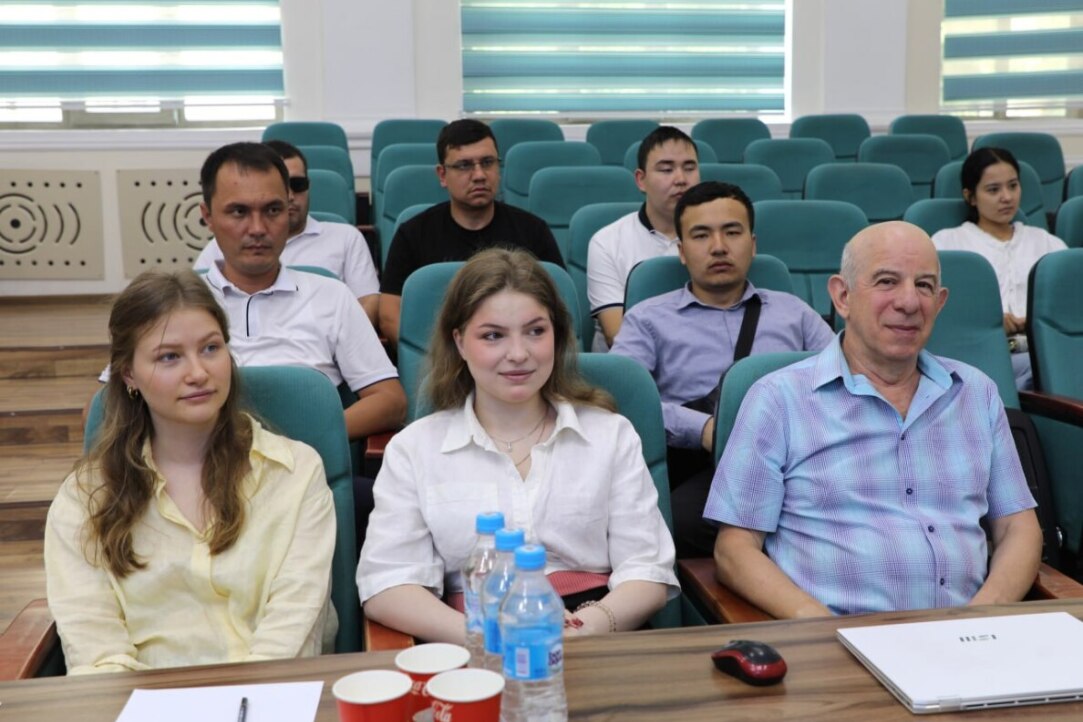
'Samarkand—St Petersburg': HSE University–St Petersburg and Samarkand State University to Design Digital Future of Cultural Heritage
Samarkand State University named after Sharof Rashidov hosted the international research and educational seminar 'Branding Cultural Heritage: Digital Tools and Design Practices.' The event gathered researchers and students from Russia and Uzbekistan—participants of a large-scale project of the mirror laboratory 'Integrated Platform Solutions for the Preservation and Promotion of Cultural Heritage (Cases of Samarkand and St Petersburg)'.

‘Here, Everyone Can Be Heard and Receive Feedback’
The Ronald F. Inglehart Laboratory for Comparative Social Research (LCSR) has been holding academic seminars for 15 years, bringing together scholars from various countries and offering early-career researchers a platform to present their work. Anna Almakaeva, Head of the Laboratory, spoke to the HSE News Service about how exchanging ideas contributes to academic work, what topics are discussed at the seminars, and the laboratory’s plans for the upcoming academic season.
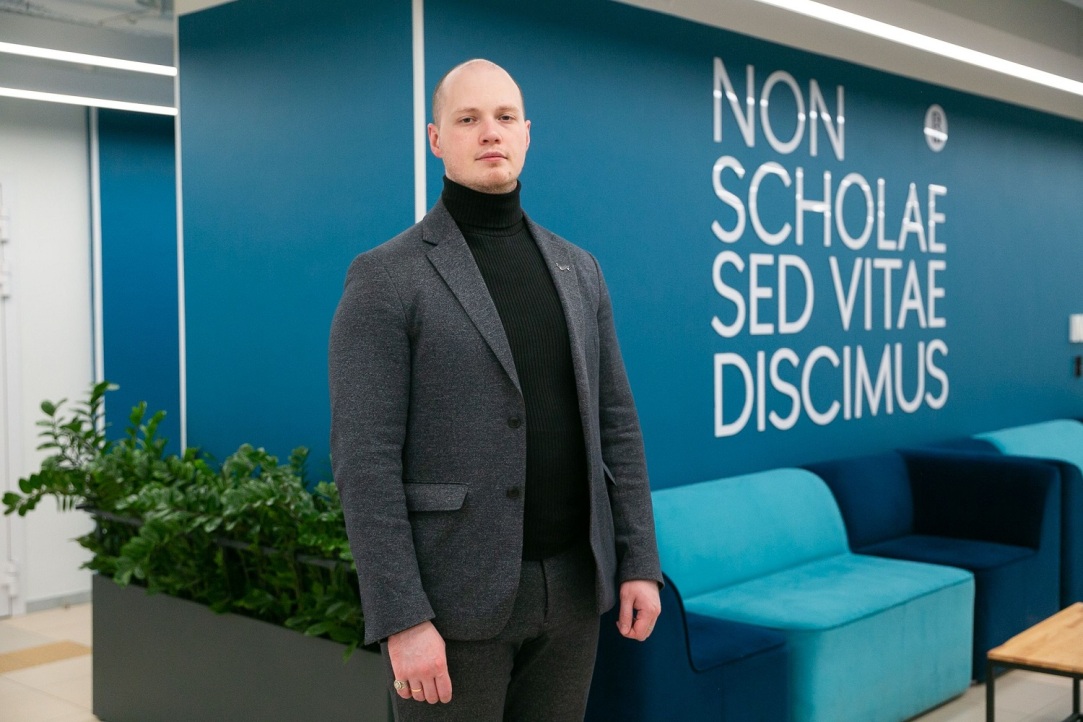
'Trust Is a Crucial Factor in the Development of a Digital Economy'
Eduard Tunkevichus enjoys working with data and learning new things, particularly innovative research and analysis methods. In this interview with the HSE Young Scientists project, he discusses the insights he gained while writing his dissertation, the difference between applied and academic research in marketing, and how AI helped him salvage his mandarin houseplant.

HSE Economists Reveal the Secret to Strong Families
Researchers from the HSE Faculty of Economic Sciences have examined the key factors behind lasting marriages. The findings show that having children is the primary factor contributing to marital stability, while for couples without children, a greater income gap between spouses is associated with a stronger union. This is the conclusion reported in Applied Econometrics.
Submission Deadline: December 20, 2025