

New Science: How Early-Career Researchers Reach New Heights
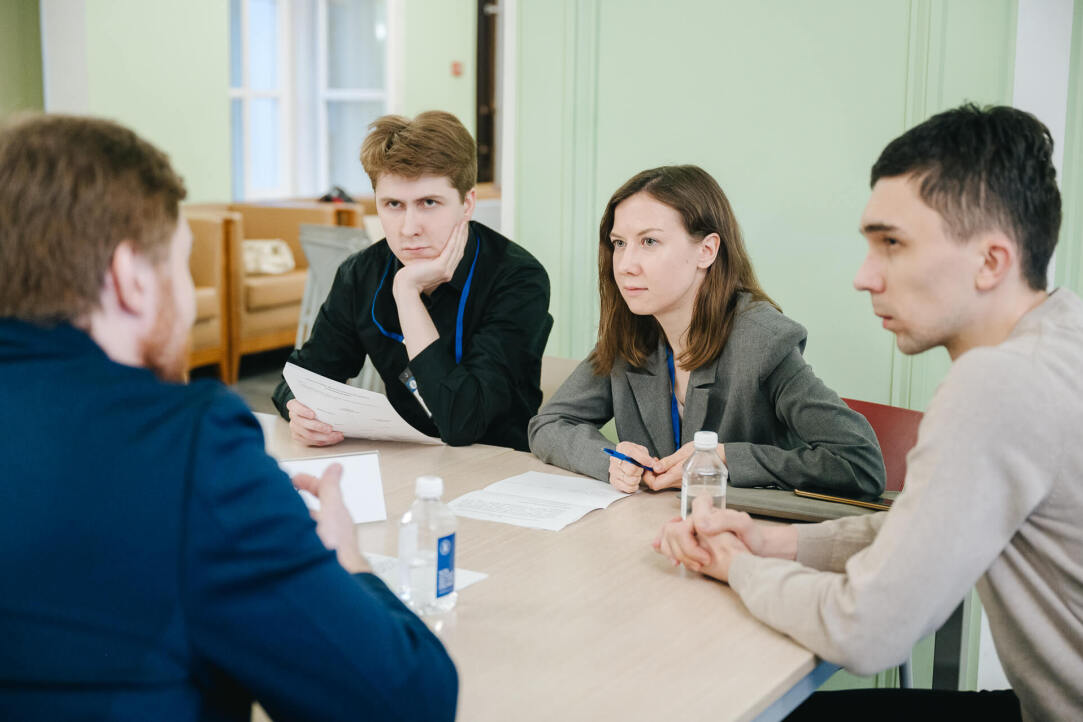
In the context of increasing global competition, countries are striving to ensure technological sovereignty. Those who can ensure economic development and concentrate intangible assets and human capital are emerging as leaders. The growing demand for qualified staff leads to an increase in the role of universities and the demand for early-career scientists. The challenges and opportunities for prospective specialists in the scientific community were discussed at the ‘StratPro Platform’ strategic session at HSE University.
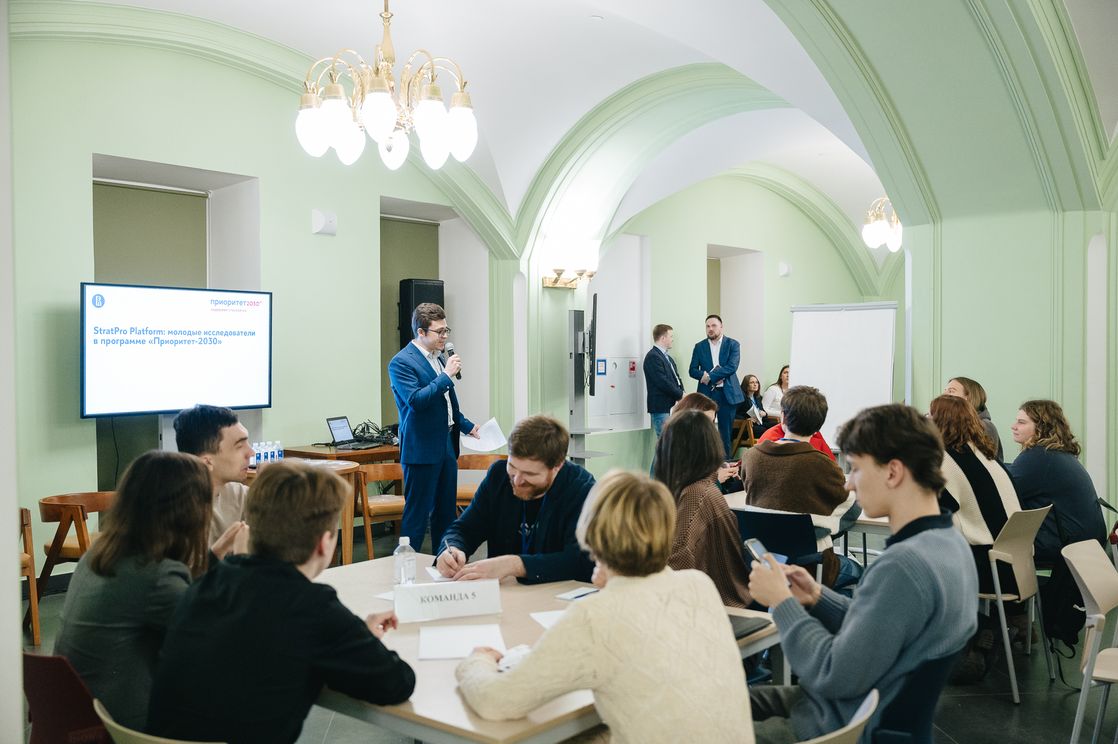
On January 29, HSE University hosted the strategic session ‘StratPro Platform: Early-Career Researchers in the Priority 2030 Programme.’ Opening the event, Natalia Vatolkina, HSE Deputy Vice Rector, spoke about the Priority 2030 Federal Academic Leadership Programme and the strategic projects implemented by the university under this programme. Strategic projects are portfolios of thematically linked research initiatives that integrate social sciences, humanities, and digital sciences and contribute to the transformation of the university's research and innovation activities. In 2024, over a thousand researchers participated in the implementation of five strategic projects, with the total amount of funding exceeding 250 million roubles.
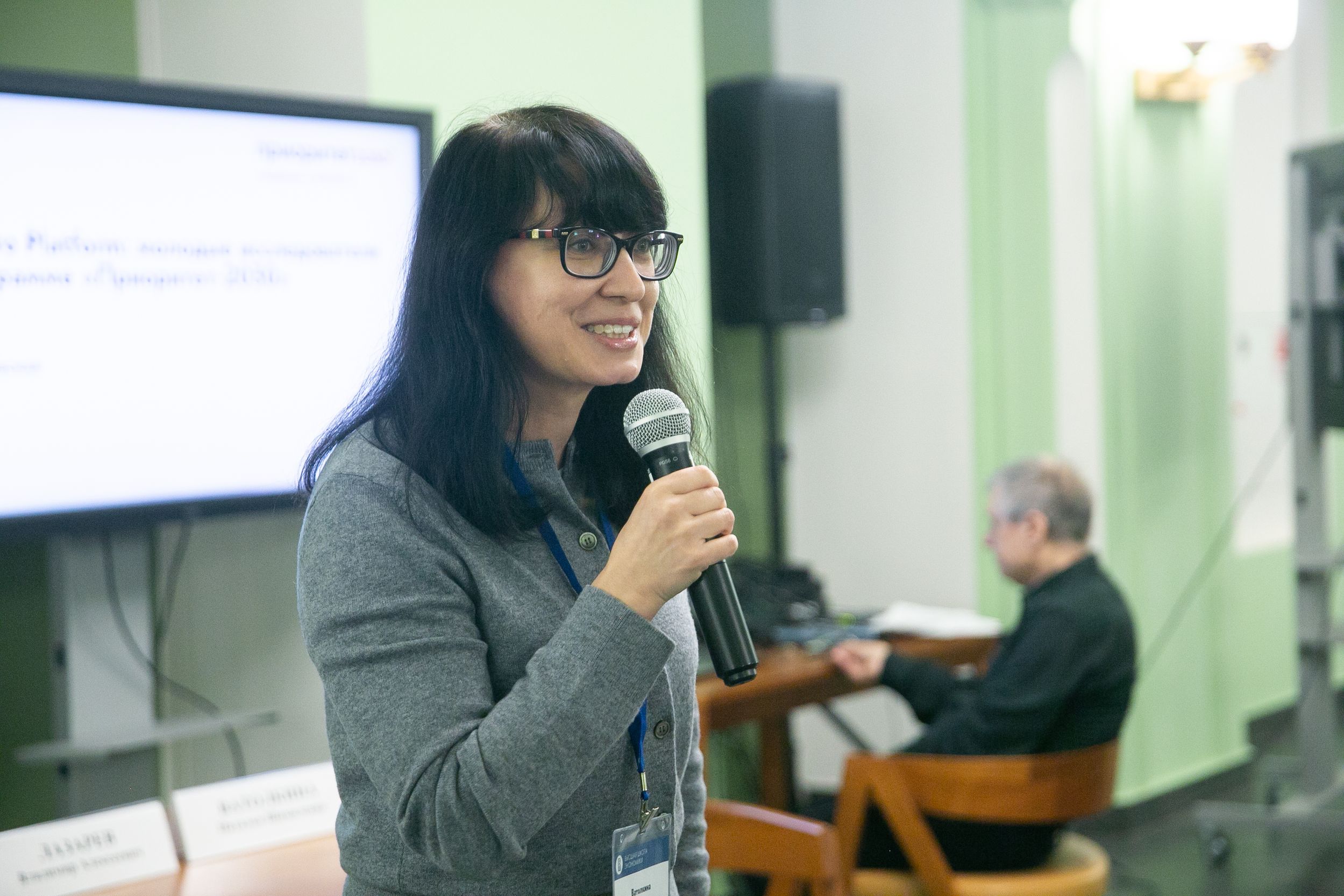
Natalia Vatolkina stressed that the number of projects supported on a competitive basis is increasing every year. Early-career research project competitions to implement strategic projects have been held since 2022. In 2024, the process for selecting such projects was significantly updated and standardised for all strategic projects and HSE campuses. The competition committee supported 24 projects out of the 45 applications received during the 2024 competition. Half of the supported projects were led by doctoral students and undergraduates, and the average share of early-career researchers, undergraduates, and doctoral students in supported teams exceeded 85%.
‘HSE University provides quite a lot of support programmes for undergraduate, graduate, and doctoral students. These include the Science Republic community, Science Battles, various research competitions, intensive courses, and an academic development programme. Early-career research project competitions in the framework of strategic projects complements these programmes,’ says Natalia Vatolkina.
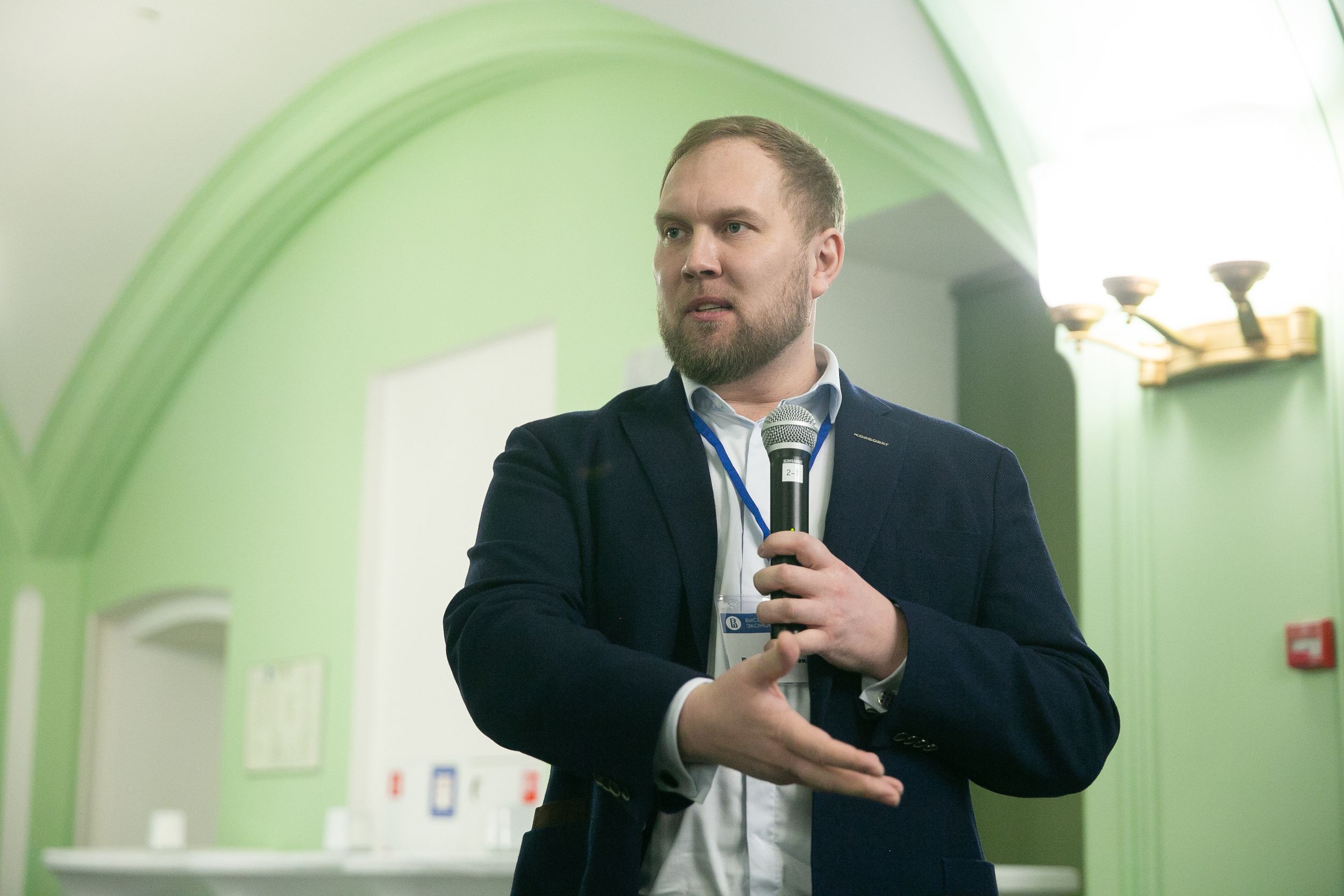
The involvement of early-career scientists in solving pressing tasks related to social and national development is a priority of the Decade of Science and Technology announced by Russian President Vladimir Putin. Vladimir Lazarev, member of the Coordinating Council for Youth in Science and Education under the Russian President's Council for Science and Education, spoke about key areas of the council’s work in forming an effective system for involving young people in research and development, and also shared his own research experience and work in the Coordinating Council.
Speaking about the most important elements, he recalled the Science-ID platform for early-career scientists (which consolidates information on measures to support prospective scientists in Russia, including scientific volunteering and popular science tourism), the Nasha Laba catalogue of scientific equipment and consumables, the ‘President, I have an idea!’ one-stop shop service for initiatives in scientific and technological development in Russia, and others. In total, there are about 280 measures of support for early-career researchers in Russia, including awards from regional governments, research grants, scholarships for scientific achievements, housing certificates, various benefits, internships, and more. The audience showed particular interest in initiatives to create communities of early-career scientists, including the ‘Youth Laboratories’ and ‘School for Early-Career Researchers’ projects, which will be developed in 2025. Vladimir Lazarev urged his colleagues to be persistent in their initiatives and emphasised the importance of effective communication between researchers, the government, and society.
‘Pay attention to popular science projects. As scientists, we need to tell the public about our research, and it also helps us find like-minded people,’ said Vladimir Lazarev.
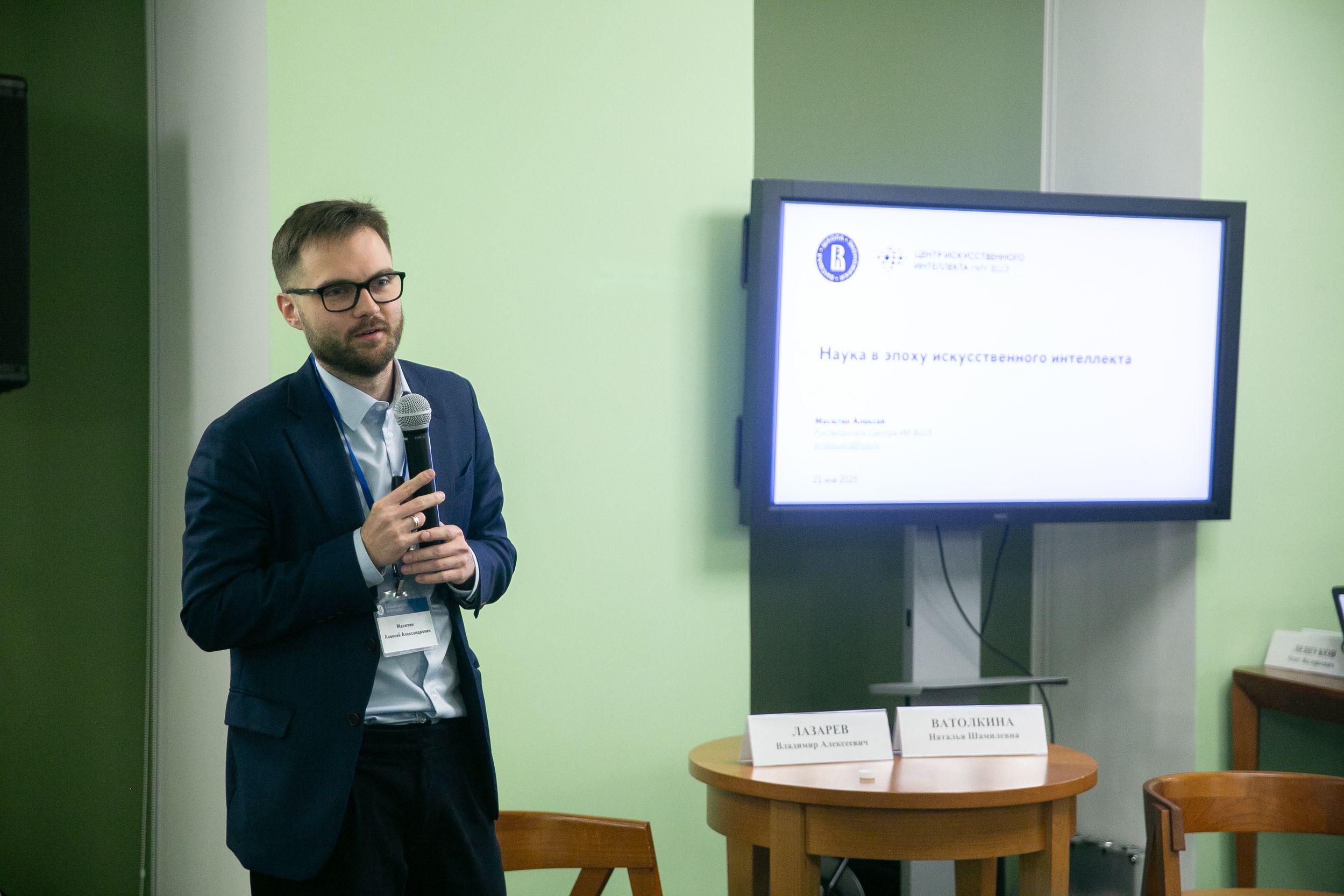
Alexey Masyutin, Director of the AI and Digital Science Institute, discussed the increasing role of artificial intelligence technologies in science with early-career researchers. He presented the most striking examples of the use of AI in applied research, including innovative methods of protein generation and the latest methods for assessing the risks of various diseases. He highlighted the role of AI in fundamental science, giving an example of using a digital model of the muon magnetic reflector for the Large Hadron Collider. The speaker concluded by talking about the development of AI assistants for students and study offices, as well as AI assistants for accurately summarising scientific topics—something useful to researchers.
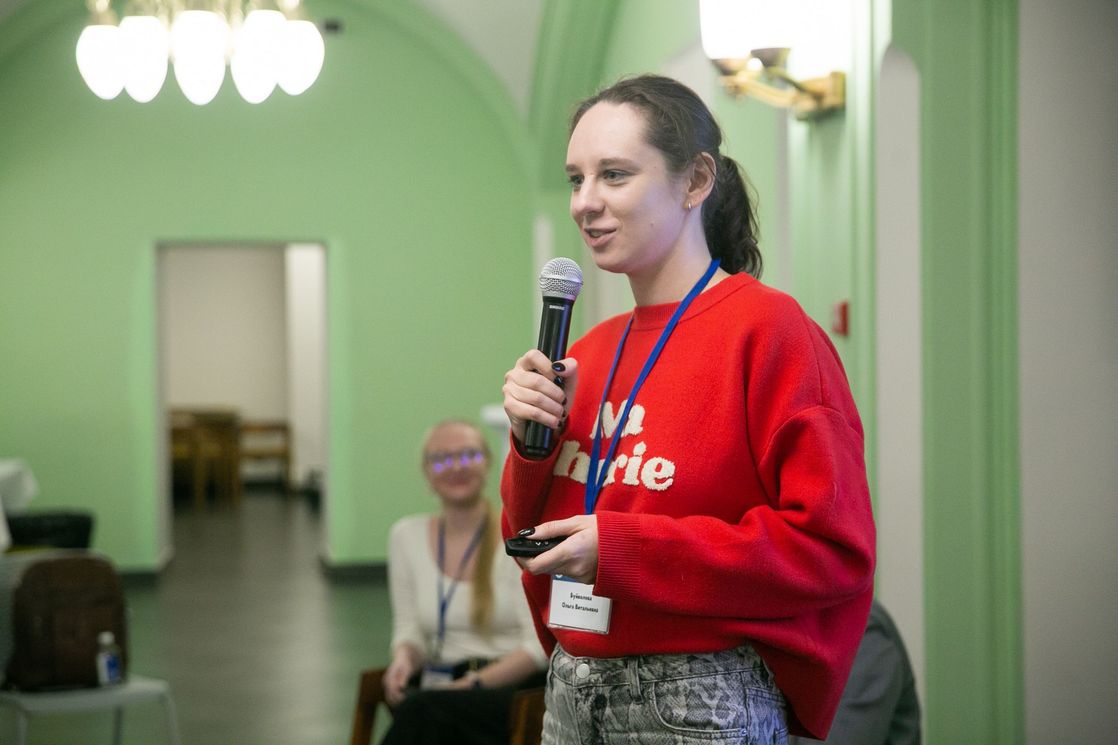
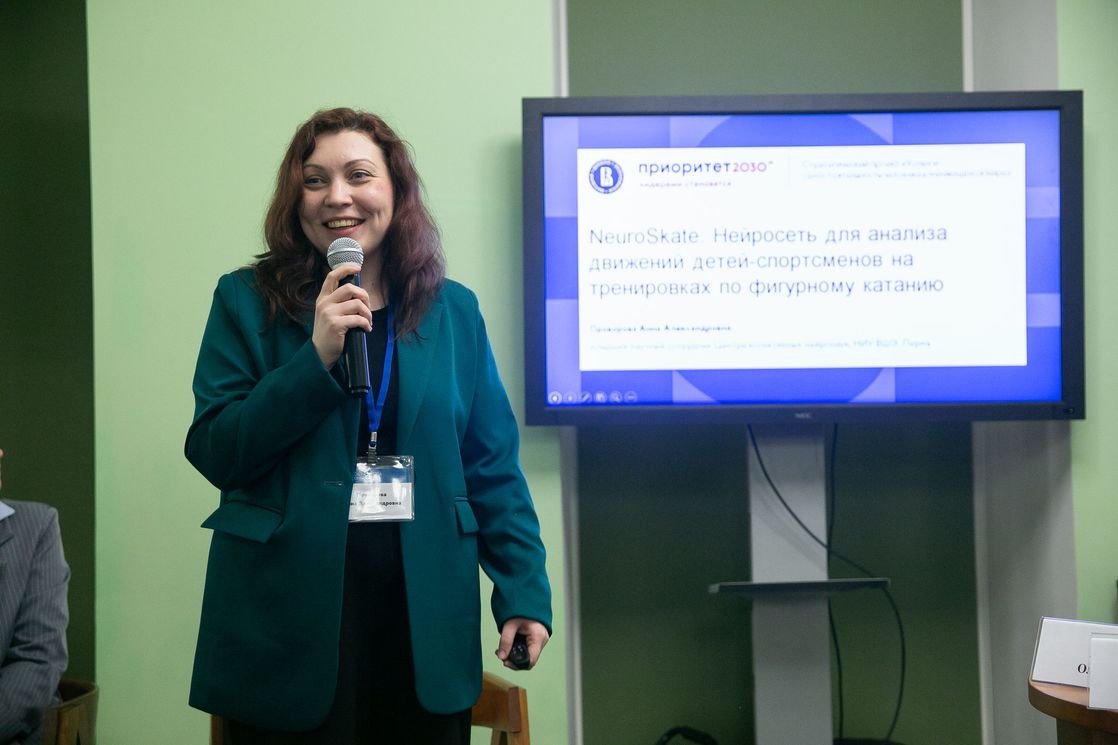

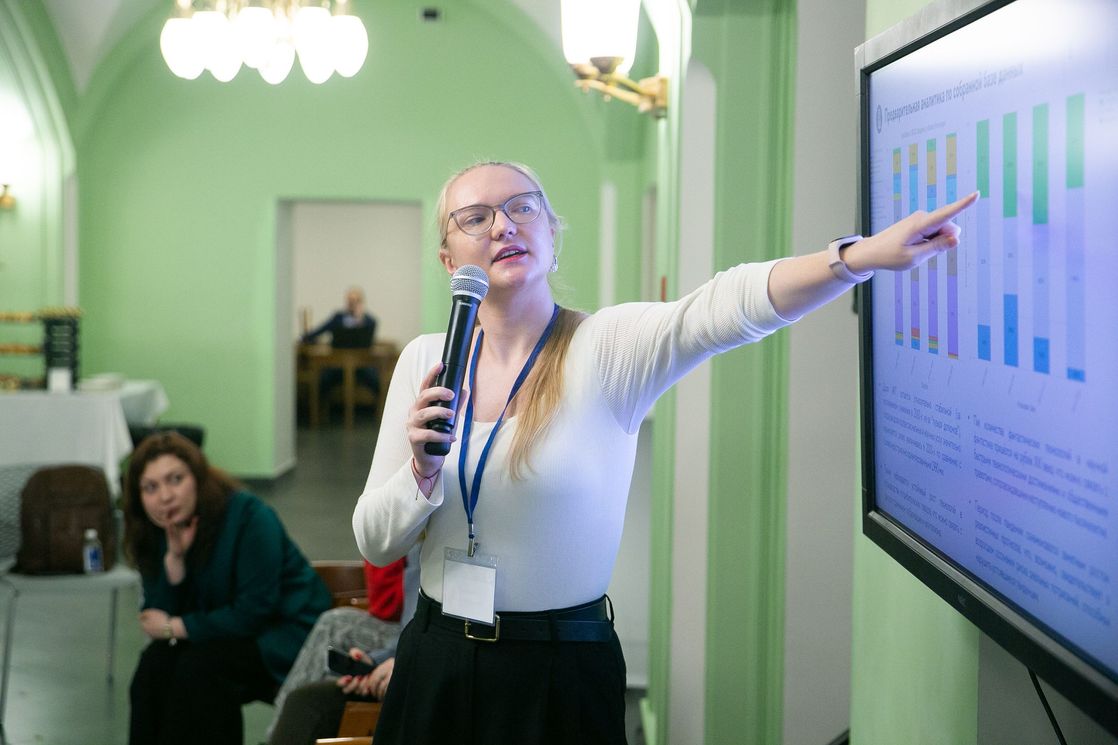
As part of the ‘My Project in the Priority 2030 Programme’ discussion platform, HSE early-career scientists spoke about their own research experience.
Centre for Language and Brain Research Fellow Olga Buivolova, who led a project on noninvasive brain stimulation to correct speech disorders, spoke about her journey from research assistant to a team leader who participated in two of the university’s strategic projects.
Anna Provorova, Junior Research Fellow at the Centre for Cognitive Neuroscience (HSE University in Perm), presented the NeuroSkate neural network for analysing the movements of young athletes during figure skating training, which is designed to improve the effectiveness of teaching in children's sports schools.
Anastasia Andreeva, Head of the Laboratory for Educational Innovation Research at the Institute of Education, shared her own experience of becoming an early-career manager and gave some practical tips to the participants.
Olesia Maibakh, Head of the Foresight Research Methodology and Organisation Unit at HSE ISSEK, presented the results of an analysis of the possibilities of using science-fiction methods to develop long-term forecasts of scientific, technological, and socio-economic development, sharing the plans of the research team and telling colleagues about the pitfalls of planning.
The session organisers paid special attention to the commercialisation of the scientific achievements of early-career researchers. Andrey Zizin, Deputy Senior Director for Financial Affairs, Associate Professor at the School of Innovation and Entrepreneurship, conducted a master class on the most important aspects of a successful commercialisation project, common errors, and measures to support research entrepreneurship at HSE University.
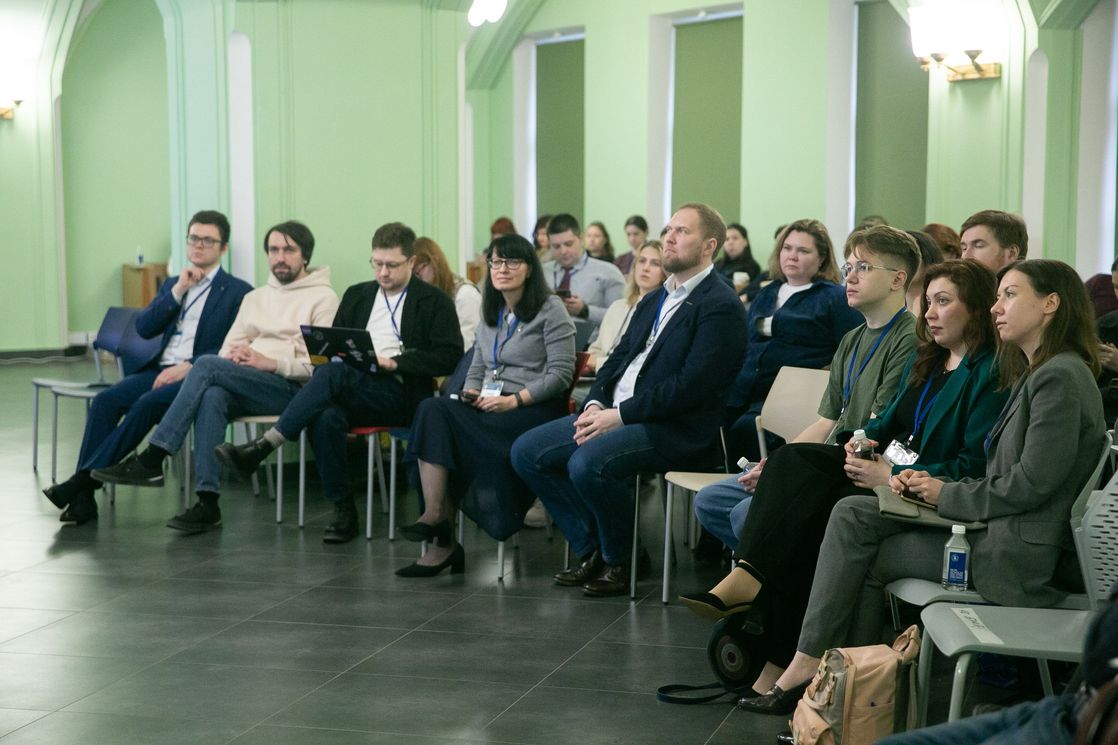
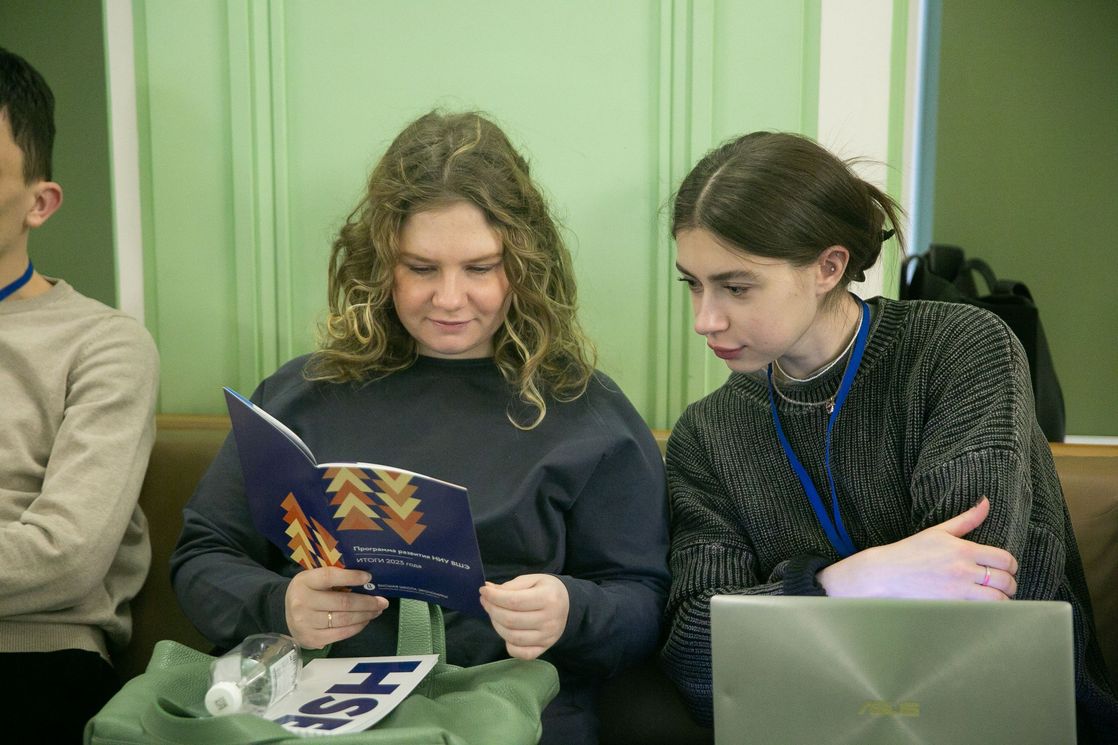
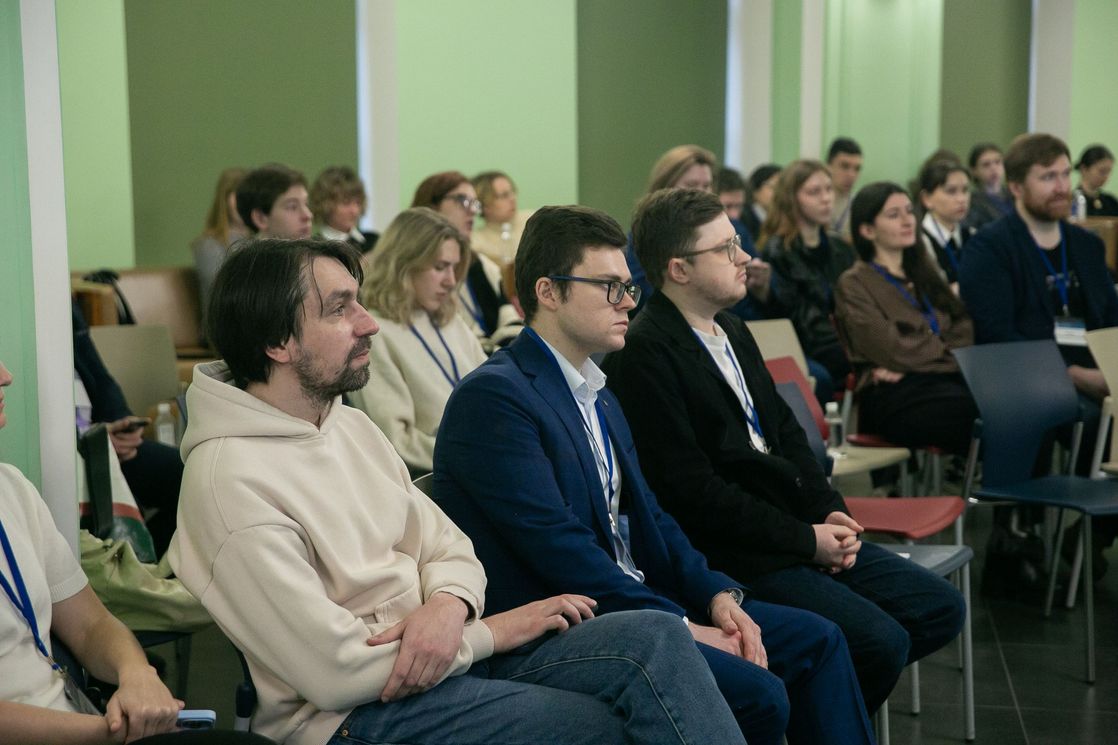

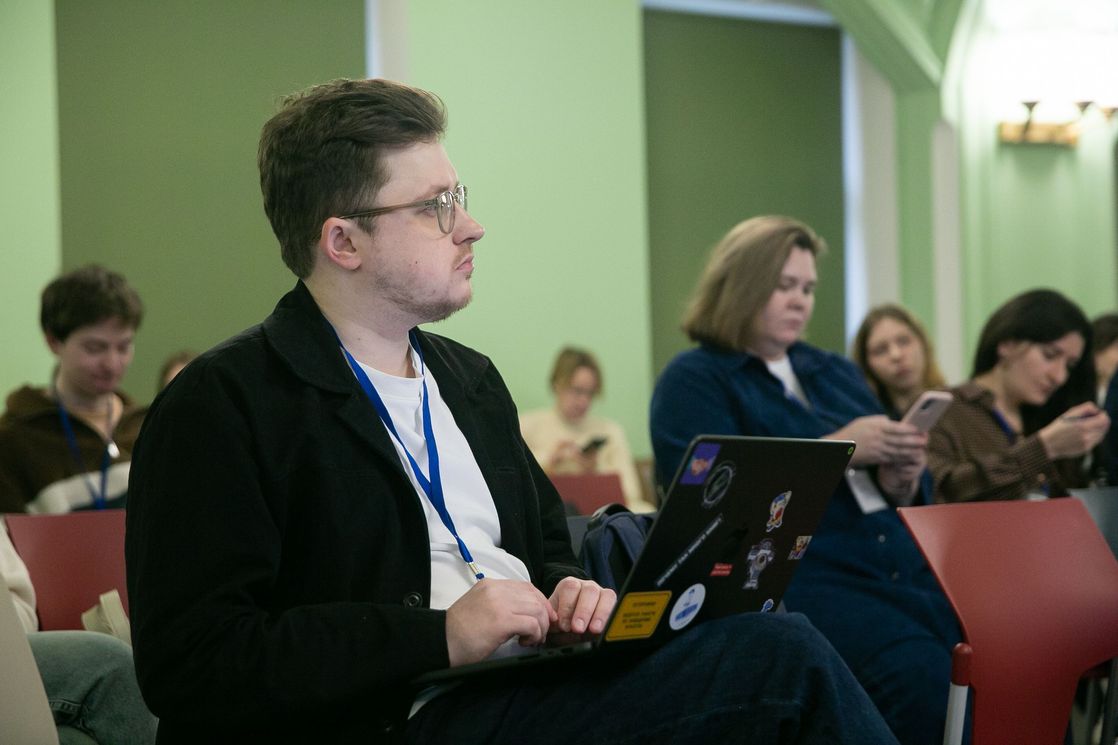
‘A commercialisation project doesn’t have to be at the same level of readiness on all scales at the same time or to advance symmetrically. However, large differences can become an obstacle to progress in entering the market with a new product and increase the risk of failure,’ explained Andrey Zizin.
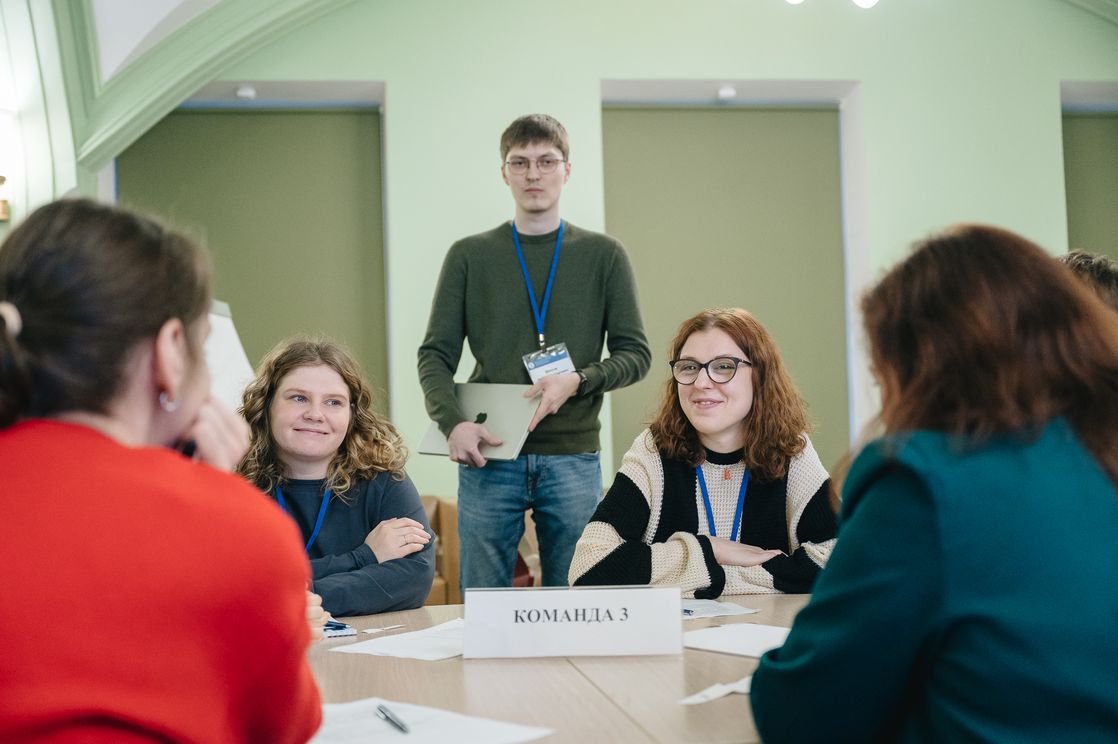
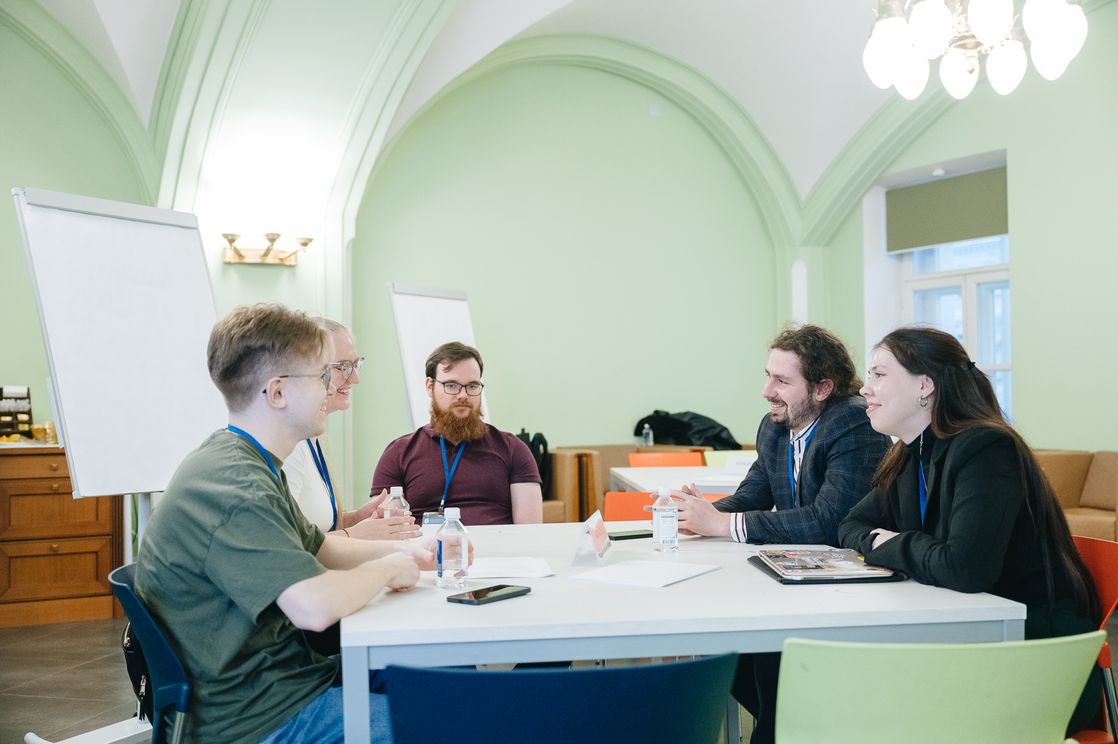
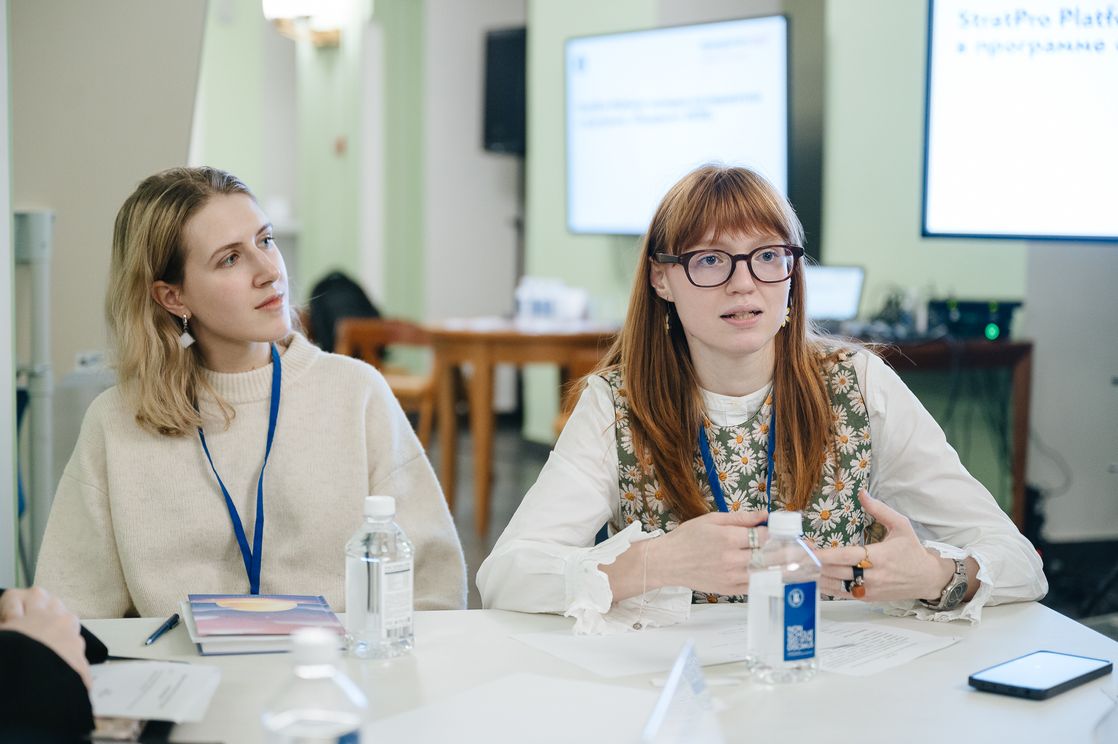
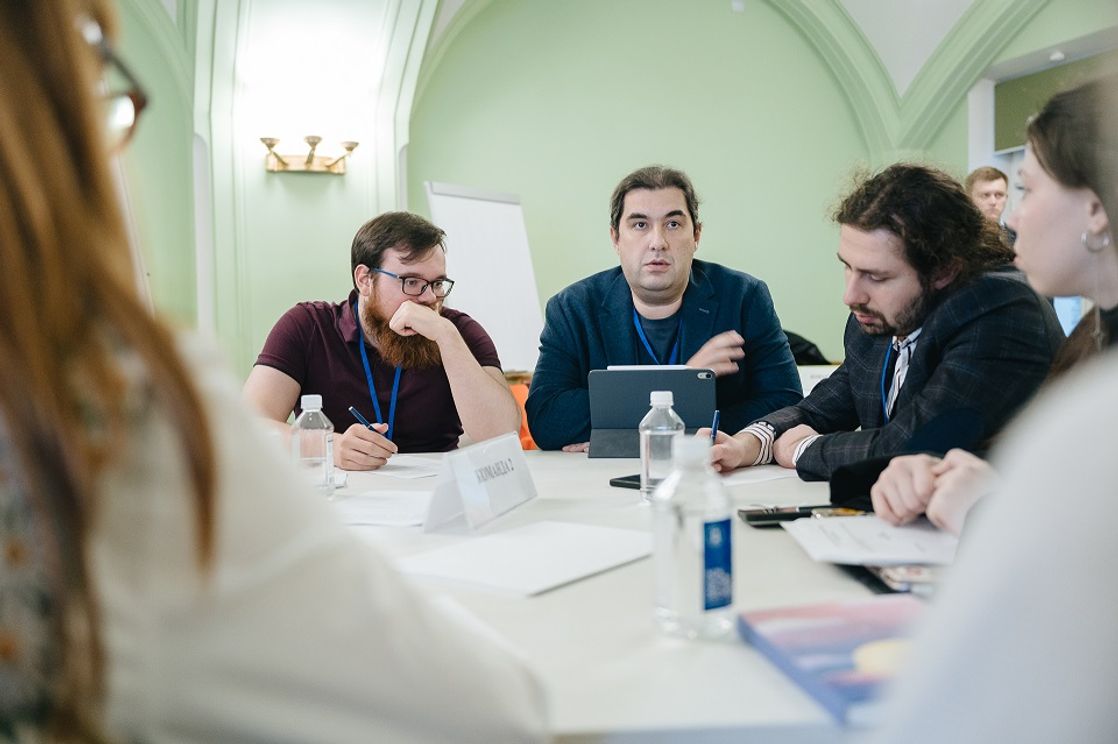
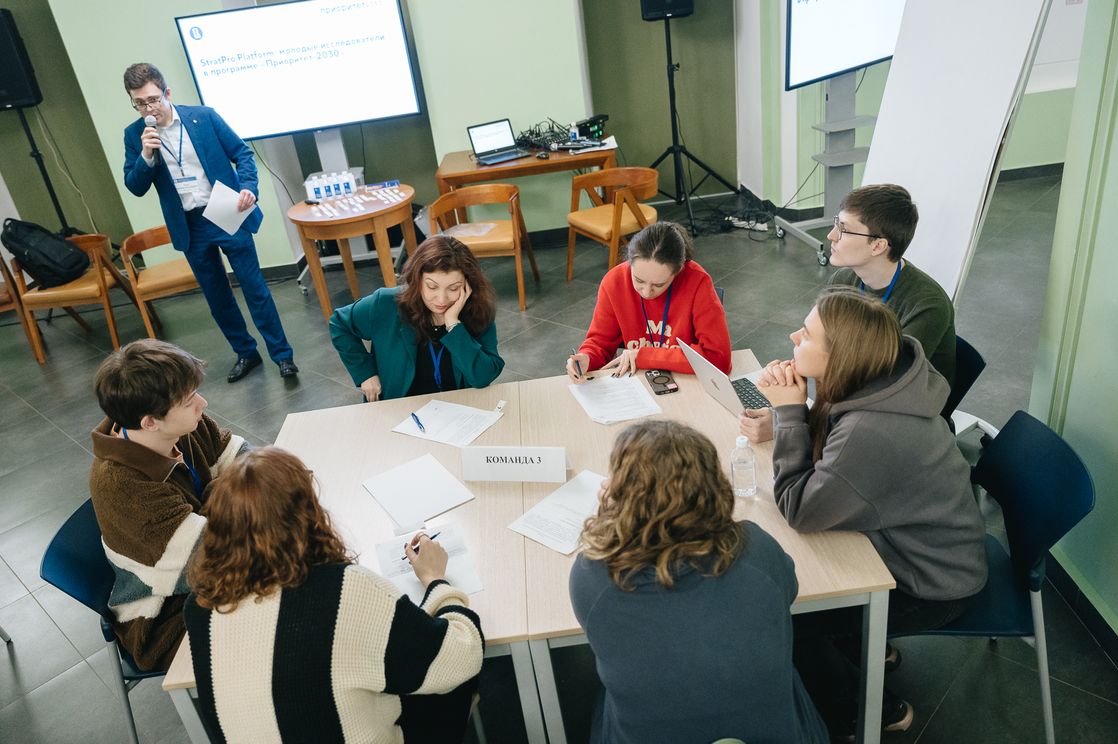
The participants had an opportunity to put their knowledge into practice during the discussion session ‘Commercialisation of the Achievements of Early-Career Researchers: Brain Storm,’ during which interdisciplinary teams discussed research initiatives and determined the main obstacles to their commercialisation. During the brainstorming session, the participants defined ways to overcome these barriers both by stimulating the initiative of research teams and through support from the university, including the creation of a one-stop shop for packaging and promoting innovative products, a knowledge base and an AI assistant in the field of commercialisation, and more. The participants discussed their findings with invited experts, including Andrey Zizin; Anton Yanovsky, Director of the Centre for R&D Commercialisation and Technology Transfer; and Konstantin Sinyavsky, Director of the Legal Support Centre for Research Activities, Intellectual Property and Data Protection.
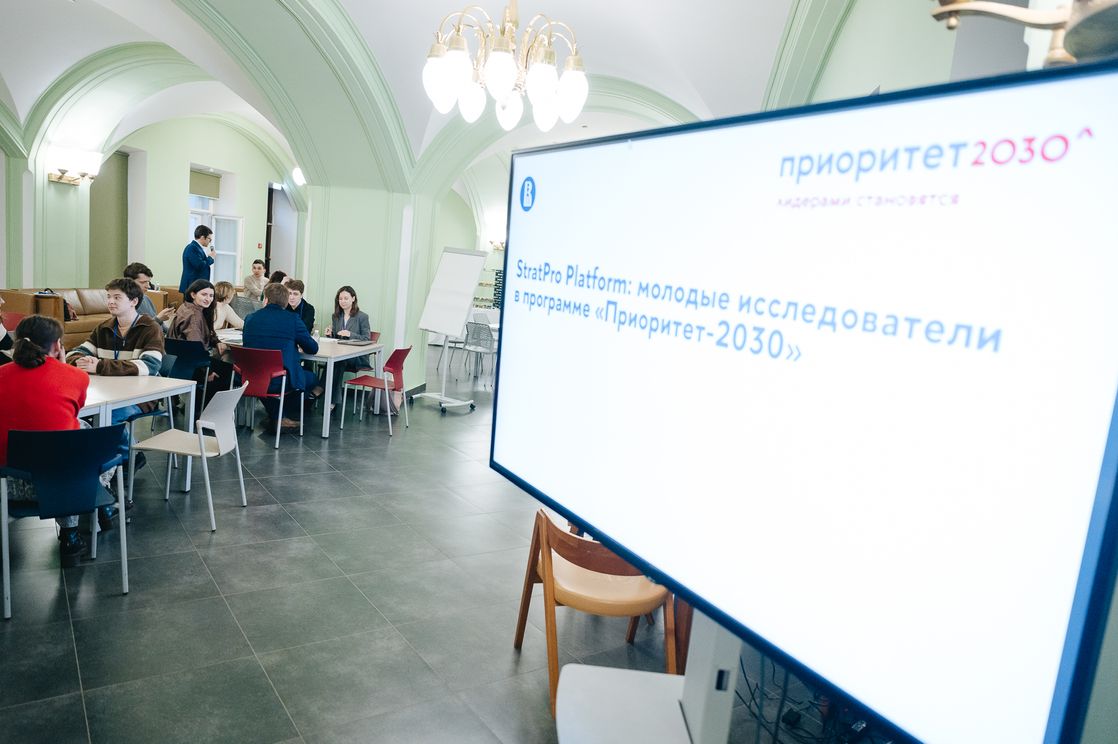

In the final part of the strategic session, Yulia Milshina, Senior Research Fellow at the International Research and Educational Foresight Centre at HSE ISSEK, spoke about global trends in scientific and technological development, their connection with current economic and social changes, as well as Russia's priorities in the new environment. Noting among the main challenges the ‘rising cost’ of science, the growth of scientific inequality between countries and the deglobalisation of science in favour of the formation of techno-economic blocs of countries, she stressed that the main barrier to the development of science is the shortage of personnel and the level of competence. The ability to produce highly qualified scientific personnel will be a key factor in the competitiveness of countries in the coming decades.
‘The requirements for the quality of staff, for training and retraining of personnel are growing many times. Your efforts, enthusiasm, and energy are aimed at the greatest goals, and I would like to wish you breakthroughs and interesting results so that this interest does not fade,’ said Yulia Milshina.
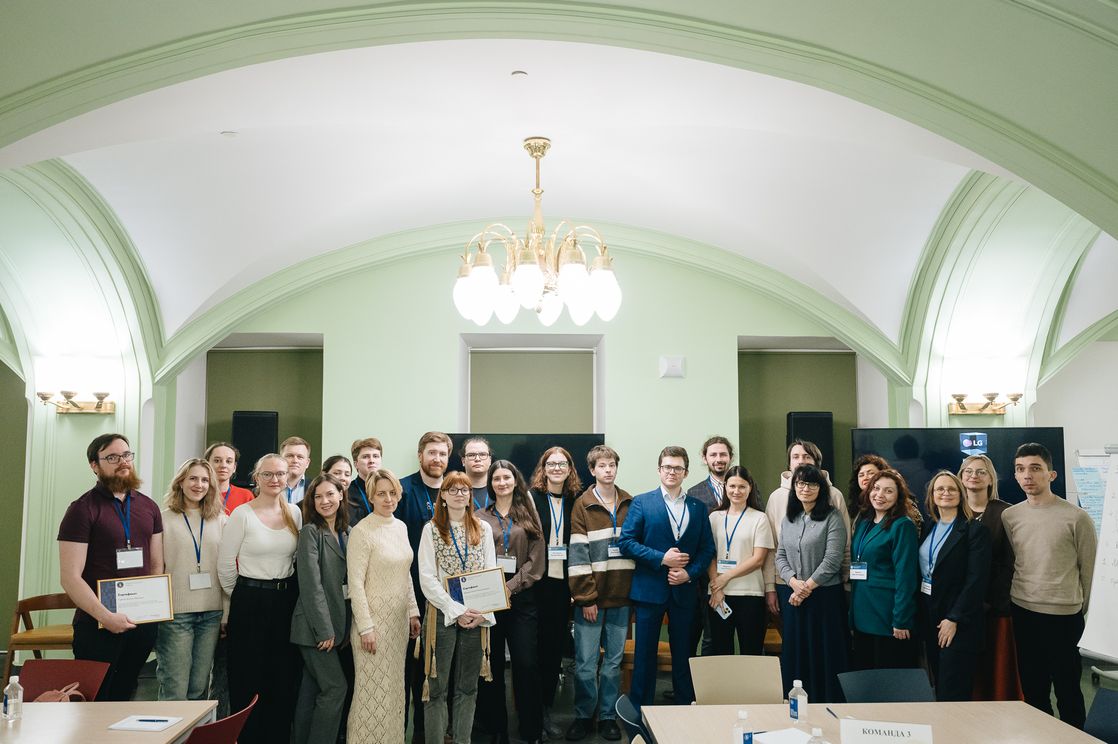
At the end of the strategic session, Natalia Vatolkina presented certificates to the winners of the 2024 Early-Career Research Project Competition, who carried out research within the framework of all five strategic HSE projects.
See also:

HSE Researchers Offer Guidance to Prevent Undergraduate Burnout
Researchers at the HSE Institute of Education have identified how much time students should ideally devote to their studies, extracurricular activities, and personal life to maintain strong academic performance without compromising their mental health. An analysis of responses from 2,753 students, combined with their actual academic results, revealed several risk factors—such as excessive homework—as well as positive factors, including sufficient sleep, regular exercise, and moderate participation in projects. Based on these findings, the researchers developed practical recommendations for both students and universities. The paper has been published in the European Journal of Education.
When a Virus Steps on a Mine: Ancient Mechanism of Infected Cell Self-Destruction Discovered
When a virus enters a cell, it disrupts the cell’s normal functions. It was previously believed that the cell's protective response to the virus triggered cellular self-destruction. However, a study involving bioinformatics researchers at HSE University has revealed a different mechanism: the cell does not react to the virus itself but to its own transcripts, which become abnormally long. The study has been published in Nature.
Researchers Identify Link between Bilingualism and Cognitive Efficiency
An international team of researchers, including scholars from HSE University, has discovered that knowledge of a foreign language can improve memory performance and increase automaticity when solving complex tasks. The higher a person’s language proficiency, the stronger the effect. The results have been published in the journal Brain and Cognition.
Lost Signal: How Solar Activity Silenced Earth's Radiation
Researchers from HSE University and the Space Research Institute of the Russian Academy of Sciences analysed seven years of data from the ERG (Arase) satellite and, for the first time, provided a detailed description of a new type of radio emission from near-Earth space—the hectometric continuum, first discovered in 2017. The researchers found that this radiation appears a few hours after sunset and disappears one to three hours after sunrise. It was most frequently observed during the summer months and less often in spring and autumn. However, by mid-2022, when the Sun entered a phase of increased activity, the radiation had completely vanished—though the scientists believe the signal may reappear in the future. The study has been published in the Journal of Geophysical Research: Space Physics.
Banking Crises Drive Biodiversity Loss
Economists from HSE University, MGIMO University, and Bocconi University have found that financial crises have a significant negative impact on biodiversity and the environment. This relationship appears to be bi-directional: as global biodiversity declines, the likelihood of new crises increases. The study examines the status of populations encompassing thousands of species worldwide over the past 50 years. The article has been published in Economics Letters, an international journal.
Scientists Discover That the Brain Responds to Others’ Actions as if They Were Its Own
When we watch someone move their finger, our brain doesn’t remain passive. Research conducted by scientists from HSE University and Lausanne University Hospital shows that observing movement activates the motor cortex as if we were performing the action ourselves—while simultaneously ‘silencing’ unnecessary muscles. The findings were published in Scientific Reports.
HSE Scientists Reveal What Drives Public Trust in Science
Researchers at HSE ISSEK have analysed the level of trust in scientific knowledge in Russian society and the factors shaping attitudes and perceptions. It was found that trust in science depends more on everyday experience, social expectations, and the perceived promises of science than on objective knowledge. The article has been published in Universe of Russia.
HSE Seeks New Ideas for AI Agents: Initiative Competition Launched
HSE University is inviting researchers and lecturers to present concepts for new digital products based on artificial intelligence. The best projects will receive expert and technological support. Applications are open until December 19, 2025.
IDLab: Fascinating Research, Tough Deadlines, and Academic Drive
The International Laboratory of Intangible-driven Economy (IDLab) was established at the HSE campus in Perm 11 years ago. Its expertise in data processing and analysis allows researchers to combine fundamental studies with applied projects, including the development of risk and cybersecurity models for Sber. The head of the laboratory, Professor Petr Parshakov, and Senior Research Fellow Professor Mariya Molodchik spoke to the HSE News Service about IDLab’s work.
HSE Lecturers Awarded Yandex ML Prize 2025
The Yandex ML Prize is awarded to lecturers and heads of educational programmes who contribute to the development of artificial intelligence in Russia. This year, 10 laureates were selected from 300 applicants, including three members of the HSE Faculty of Computer Science (FCS). A special Hall of Fame award was also presented for contributions to the establishment of machine learning as an academic field. One of the recipients was Dmitry Vetrov, Research Professor at the HSE FCS.