

First Caucasus School on Experimental Research and Cognitive Sciences Takes Places in Adygea

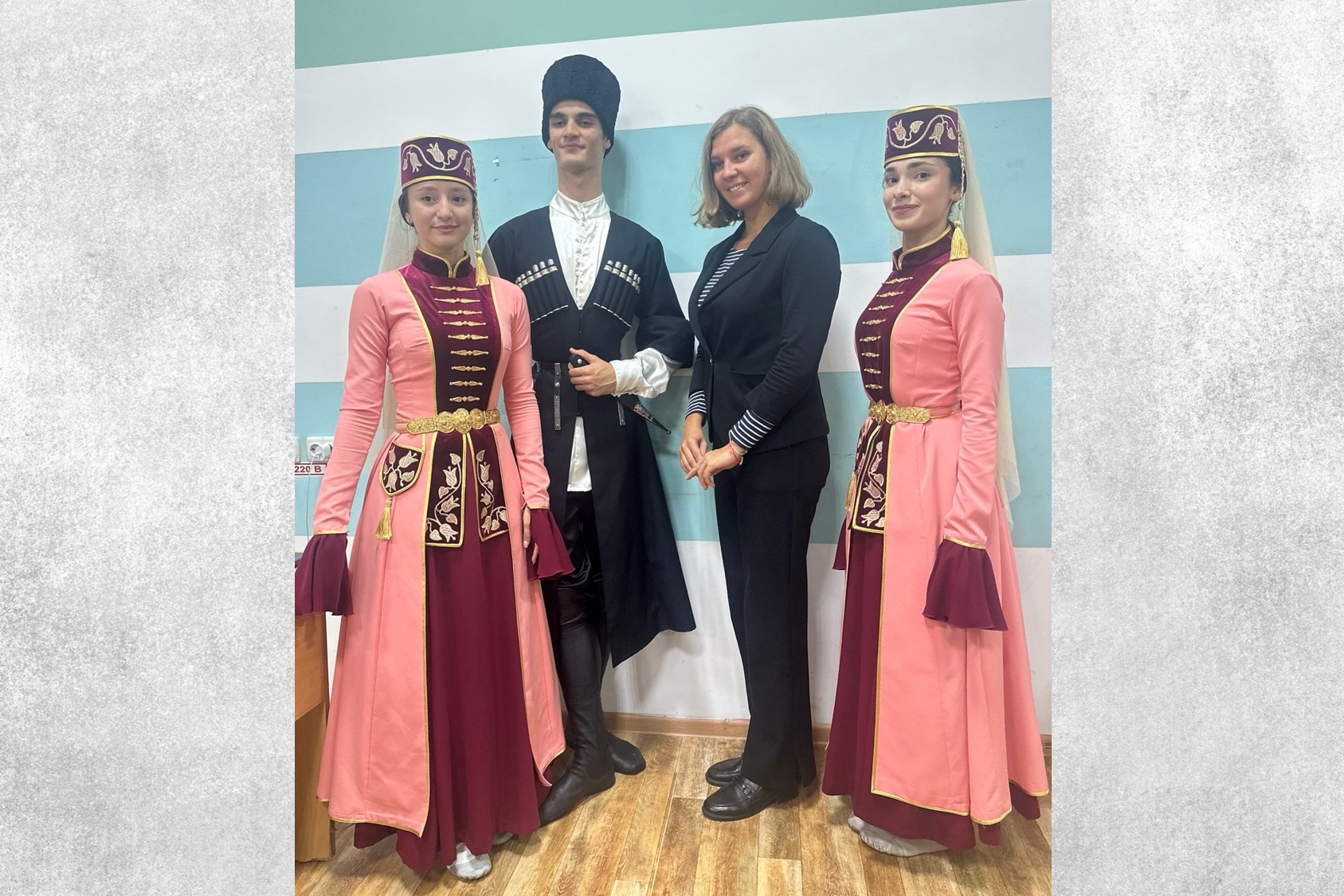
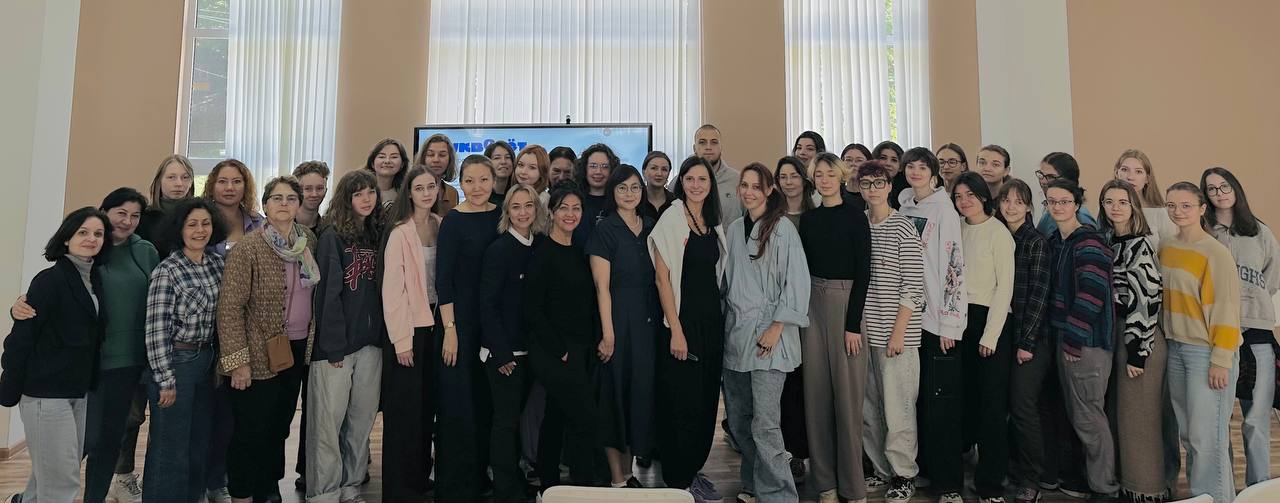
On September 17–20, 2025, the First Caucasus School on Experimental Research and Cognitive Sciences took place at the Gornaya Legenda venue of Adyghe State University (ASU). The event was organised by the ASU Experimental Linguistics Laboratory, the HSE Centre for Language and Brain, and the HSE Centre for Sociocultural and Ethnolinguistic Studies. The school brought together over 50 participants—students, doctoral candidates, and early-career researchers from across Russia, along with lecturers and speakers from France, Serbia, China, Turkey, Kazakhstan, and Uzbekistan.
The school’s main focus areas included bilingualism, psycho- and neurolinguistics, clinical linguistics, and language policy. Particular attention was given to experimental methods of studying linguistic diversity in the digital age and their practical applications. The programme featured lectures and workshops by staff of the HSE Centre for Language and Brain and the HSE Centre for Sociocultural and Ethnolinguistic Studies. Their joint efforts created a rich educational and research environment uniting participants from diverse regions and academic fields.
Opening the school, Olga Dragoy, Director of the HSE Centre for Language and Brain, outlined the key topics—from psycho- and neurolinguistics to the clinical aspects of speech disorders. She spoke about current trends in experimental linguistics, the research agendas of psycho- and neurolinguistics today, and the cutting-edge theories that explain how and where in the brain we comprehend and produce speech.
Tatyana Bolgina, Junior Research Fellow at the HSE Centre for Language and Brain, devoted her lectures to how the brain is organised and how speech is represented within it. She discussed classical and modern theories of the neurobiology of language, addressing neural processing at each linguistic level and mechanisms of reading. Modern approaches to brain organisation rely on a network model: speech is not confined to one specific area or a limited set of areas but engages an extensive network of regions in both hemispheres, as well as white matter pathways.
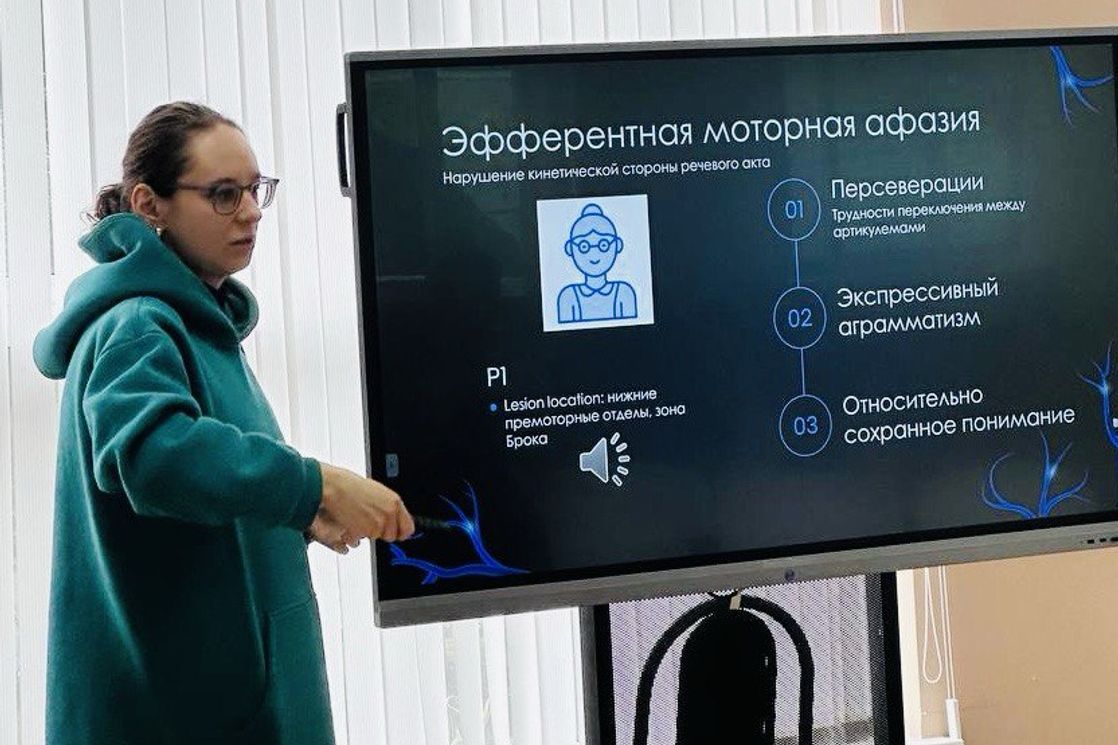
Olga Buivolova, Research Fellow at the HSE Centre for Language and Brain, introduced participants to the subject of aphasia—one of the most studied yet complex speech disorders. She demonstrated how a linguistic approach allows for a more precise classification of aphasia types and the development of individualised therapeutic methods. According to her, neuroscience today is focused on moving from descriptive models to standardised, testable tools.
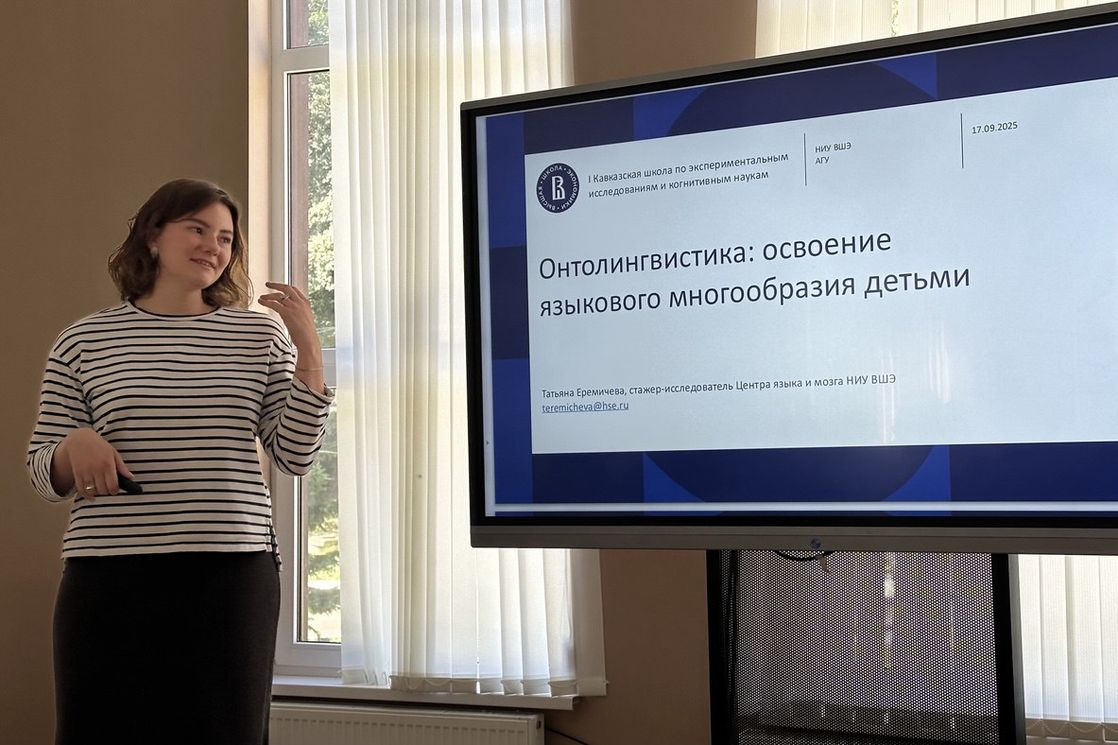
The HSE Centre for Language and Brain’s research spans all age periods, including childhood. Tatiana Eremicheva, Research Assistant at the Centre, led a course on ontolinguistics, addressing how children acquire language. She outlined four levels of speech development—phonological, lexical, grammatical, and communicative—and explained how reading is acquired at later stages. She stressed the importance of effective diagnostics and flexible approaches to assessing language skills, paying particular attention to speech development in multilingual contexts.
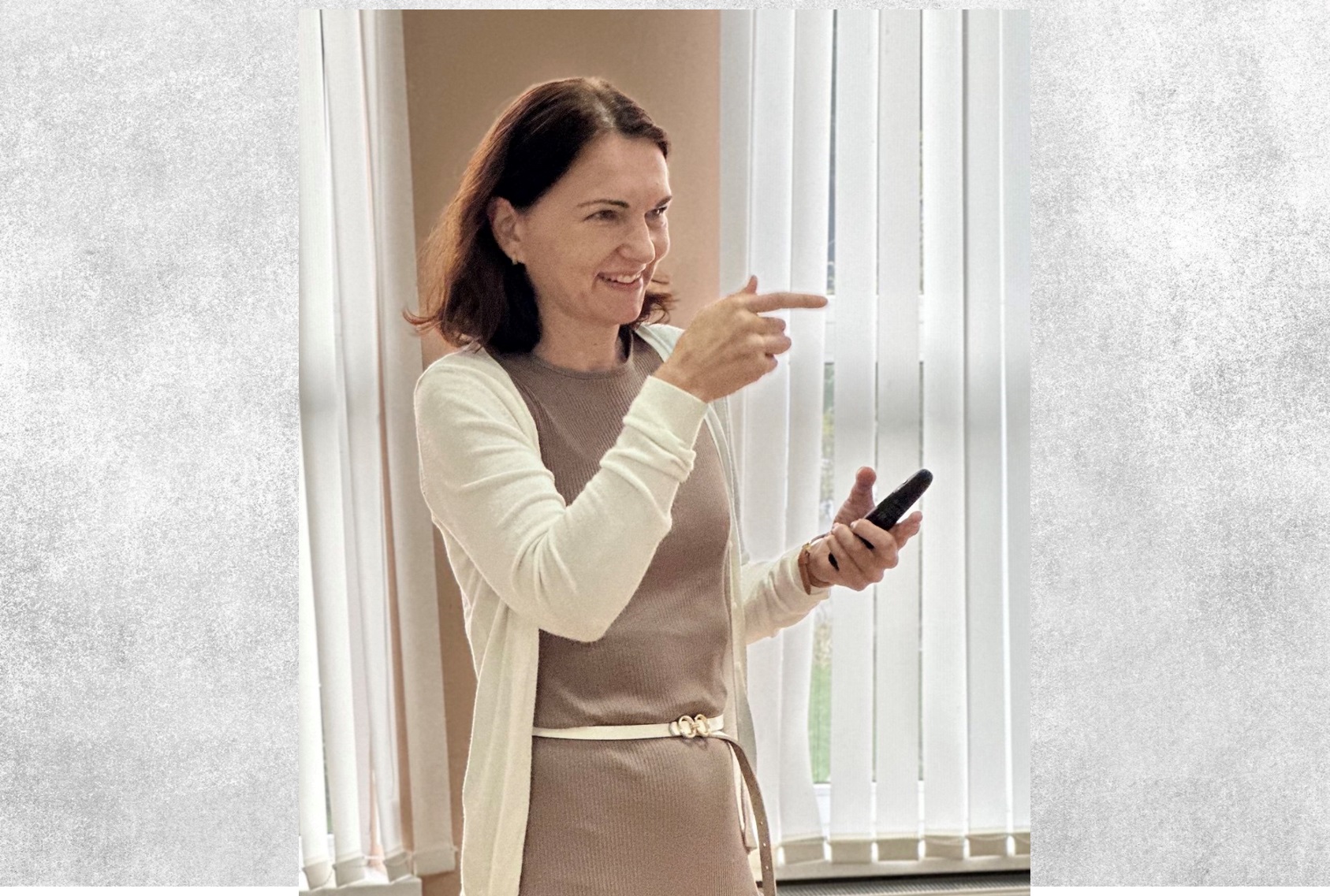
‘The meaning of an utterance is influenced by context, the speaker’s intentions, and social factors. However, it is impossible to understand what a given message meant in a particular situation without taking into account the non-verbal component: from facial expressions, gestures, and tone of voice it becomes clear how to interpret someone’s statement or request. Such information is conveyed primarily through non-verbal channels,’ said Yulia Nikolaeva, Research Fellow at the HSE Centre for Language and Brain. She spoke about non-verbal communication and its role in everyday speech, also drawing attention to persistent myths such as the widely cited claim that ‘only 7% of information is transmitted in words.’ This figure, she explained, is based on distorted interpretations of early psychological experiments and is not supported by current data.
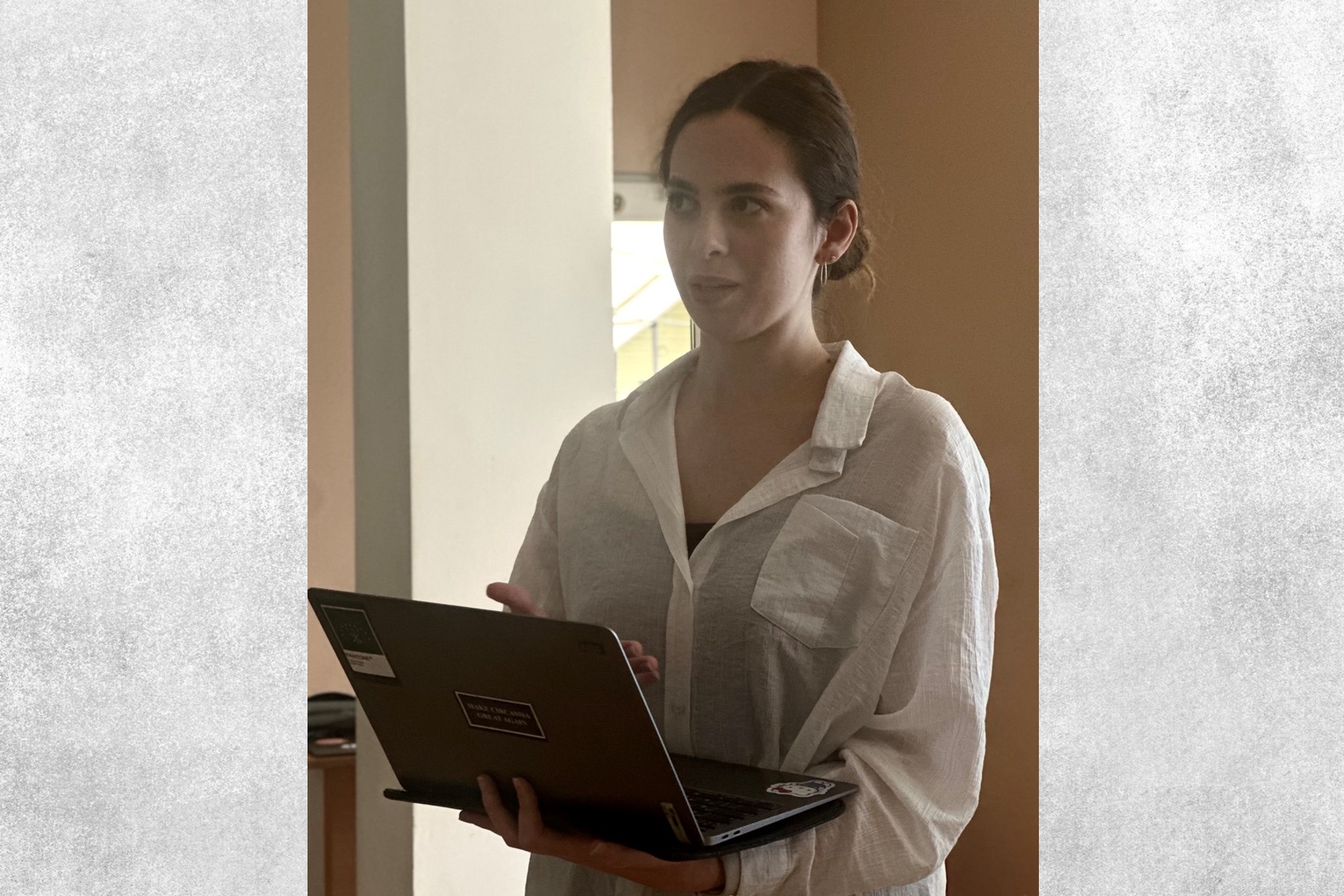
The HSE Centre for Sociocultural and Ethnolinguistic Studies at the Faculty of Humanities was one of the organisers of the First Caucasus School on Experimental Research and Cognitive Sciences. Over five days, Director Mira Bergelson and Research Assistant Madina Kade introduced participants to contemporary sociocultural theories, paying particular attention to research methodology—reliance on extensive linguistic data and the ability to analyse it.
‘Effective analysis of ethnolinguistic situations and the corresponding language policy must be based on the interpretation of the material collected by the researcher. In the case of sociolinguistic interviews, one cannot do without narrative and discourse analysis. This is the only way to identify a respondent’s underlying values—what a person truly believes in. And everything connected with the notion of ‘mother tongue’ belongs precisely to this domain,’ Prof. Mira Bergelson stated.
Participants discussed why language cannot be studied outside its sociocultural context and how this understanding shapes approaches to language policy in multi-ethnic regions.
Concluding the school, Olga Dragoy stressed the importance of integrating fundamental research into real-world practice—from involving neurolinguists in neurosurgical operations to implementing effective diagnostic tools in schools. She presented several of the centre’s applied developments:
- LexiMetr—a tool for assessing Russian reading skills in primary schoolchildren.
- KORABLIK—a test for diagnosing speech development in children aged 3 to 11.
- Dyslector—a programme that uses artificial intelligence and eye-tracking data to assess the presence and degree of dyslexia in schoolchildren.
Prof. Dragoy also described intraoperative brain-mapping tools developed at the centre, which are now applied during awake surgeries.
‘The applied developments pursued by the HSE Centre for Language and Brain rest on three pillars. First, they are built on a carefully designed linguistic foundation. Second, all our tests meet psychometric standards. And third, with each passing year our toolkit is becoming increasingly multilingual. We translate and adapt our instruments into different languages, and Adyghe was among the very first in which they appeared,’ explained Olga Dragoy.
The final event of the school was the satellite conference ‘Experimental Research and Cognitive Sciences,’ which brought together specialists from Russia, Europe, and Asia. The conference provided a platform for researchers to discuss how the brain generates thought, how artificial intelligence learns from biology, and the challenges facing language in the digital era. The programme combined theoretical questions—for instance, how cortical rhythms develop in infants—with applied case studies ranging from the study of Russian idioms to the preservation of Adyghe in the diaspora.


‘Today we are studying the features of the Adyghe language and the regional linguistic landscape, moving into neurolinguistics and clinical linguistics—towards a rigorous analysis of the connections between brain function and language. The Caucasus School on Experimental Research and Cognitive Sciences is our first attempt in this format, and we hope it will become a cherished Caucasian tradition. It opens new opportunities for linguists as it allows us to acquire new, relevant competencies and expands the scope of linguistics. I am confident that the School on Experimental Research will become the nucleus of a consortium of universities in southern Russia, which we are currently discussing. The growing interest in the languages of Russia’s indigenous peoples fits both the national and global agenda, while the multilingual Caucasus is the ideal platform for experimental linguistics and sociocultural research,’ said Susanna Makerova, one of the organisers of the school and Head of the ASU Experimental Linguistics Laboratory.
See also:

Scientists Discover That the Brain Responds to Others’ Actions as if They Were Its Own
When we watch someone move their finger, our brain doesn’t remain passive. Research conducted by scientists from HSE University and Lausanne University Hospital shows that observing movement activates the motor cortex as if we were performing the action ourselves—while simultaneously ‘silencing’ unnecessary muscles. The findings were published in Scientific Reports.
Russian Scientists Investigate Age-Related Differences in Brain Damage Volume Following Childhood Stroke
A team of Russian scientists and clinicians, including Sofya Kulikova from HSE University in Perm, compared the extent and characteristics of brain damage in children who experienced a stroke either within the first four weeks of life or before the age of two. The researchers found that the younger the child, the more extensive the brain damage—particularly in the frontal and parietal lobes, which are responsible for movement, language, and thinking. The study, published in Neuroscience and Behavioral Physiology, provides insights into how age can influence the nature and extent of brain lesions and lays the groundwork for developing personalised rehabilitation programmes for children who experience a stroke early in life.
Scientists Test Asymmetry Between Matter and Antimatter
An international team, including scientists from HSE University, has collected and analysed data from dozens of experiments on charm mixing—the process in which an unstable charm meson oscillates between its particle and antiparticle states. These oscillations were observed only four times per thousand decays, fully consistent with the predictions of the Standard Model. This indicates that no signs of new physics have yet been detected in these processes, and if unknown particles do exist, they are likely too heavy to be observed with current equipment. The paper has been published in Physical Review D.
HSE Scientists Reveal What Drives Public Trust in Science
Researchers at HSE ISSEK have analysed the level of trust in scientific knowledge in Russian society and the factors shaping attitudes and perceptions. It was found that trust in science depends more on everyday experience, social expectations, and the perceived promises of science than on objective knowledge. The article has been published in Universe of Russia.
Institute for Robotics Systems Established at HSE University
As decided by the HSE University Academic Council, a new Institute for Robotics Systems will be established at HSE, and with a strong fundamental base. It will cooperate with relevant departments across the university and engage students and doctoral candidates in research and development (R&D). First Vice Rector of HSE University and Director of the Institute for Statistical Studies and Economics of Knowledge, Leonid Gokhberg, discussed the expected practical results and the framework for cooperation with an industrial partner.
Scientists Uncover Why Consumers Are Reluctant to Pay for Sugar-Free Products
Researchers at the HSE Institute for Cognitive Neuroscience have investigated how 'sugar-free' labelling affects consumers’ willingness to pay for such products. It was found that the label has little impact on the products’ appeal due to a trade-off between sweetness and healthiness: on the one hand, the label can deter consumers by implying an inferior taste, while on the other, it signals potential health benefits. The study findings have been published in Frontiers in Nutrition.
HSE Seeks New Ideas for AI Agents: Initiative Competition Launched
HSE University is inviting researchers and lecturers to present concepts for new digital products based on artificial intelligence. The best projects will receive expert and technological support. Applications are open until December 19, 2025.
IDLab: Fascinating Research, Tough Deadlines, and Academic Drive
The International Laboratory of Intangible-driven Economy (IDLab) was established at the HSE campus in Perm 11 years ago. Its expertise in data processing and analysis allows researchers to combine fundamental studies with applied projects, including the development of risk and cybersecurity models for Sber. The head of the laboratory, Professor Petr Parshakov, and Senior Research Fellow Professor Mariya Molodchik spoke to the HSE News Service about IDLab’s work.
HSE Lecturers Awarded Yandex ML Prize 2025
The Yandex ML Prize is awarded to lecturers and heads of educational programmes who contribute to the development of artificial intelligence in Russia. This year, 10 laureates were selected from 300 applicants, including three members of the HSE Faculty of Computer Science (FCS). A special Hall of Fame award was also presented for contributions to the establishment of machine learning as an academic field. One of the recipients was Dmitry Vetrov, Research Professor at the HSE FCS.
HSE Tops Ranking of Universities Participating in Priority 2030 Programme
The Russian Ministry of Science and Higher Education has published an updated list of participants in the Priority 2030 programme. A total of 106 universities will receive support this year. HSE University was included in the first group and topped the ranking.