

‘People Want to Receive Only Useful Content’
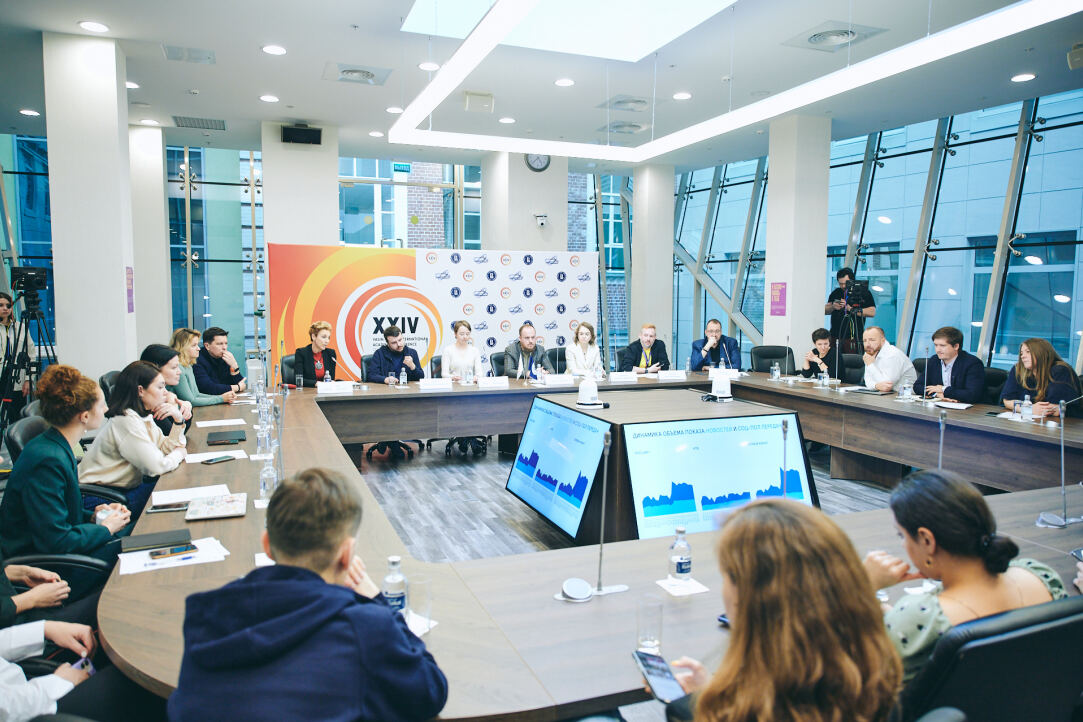
Experts say that interest in news has sharply increased among the Russian audience. At the same time, part of the audience deliberately avoids it. What kind of content is in demand and will people continue to watch TV? These and other issues were discussed at the plenary session ‘Info-hygiene and Information Elitism: How to Consume Media Properly’ at the XXIV Yasin (April) International Academic Conference.
Anastasia Kazun, Senior Research Fellow at HSE Laboratory for Studies in Economic Sociology, presented the study ‘New Trends in Media Consumption: Avoiding News and Doomscrolling’. An abundant media environment with a large number of information sources on one hand and the growth of negative content during the crisis on the other has led to two opposite reactions by consumers: avoiding news, or doomscrolling (spending an excessive amount of time reading large quantities of negative news online).
Since the beginning of 2022, representatives of the older age group (64+) have most often reported an increase in news consumption, while respondents aged 18-24 are more likely to say that they do not watch political and economic news at all. Many respondents make a conscious attempt to limit their consumption of information content in order to avoid negative emotions. Some respondents even compare it to a bad habit that needs to be eliminated.
At the same time, ‘avoiders’ and ‘doomscrollers’ don’t just consume different amounts of content, they choose news on different themes: the former lean towards entertainment, the latter – towards the political and economic.
Doomscrollers tend towards an increase in the volume of content consumed up to ‘news bulimia’, an increase in the number of sources used, emotional involvement and the need to share what you learnt with others. Such people read and listen to the news even in the shower, at parties and in other non-standard places.
At the same time, both groups do not interpret their reactions as traumatic and do not see it as a problem.
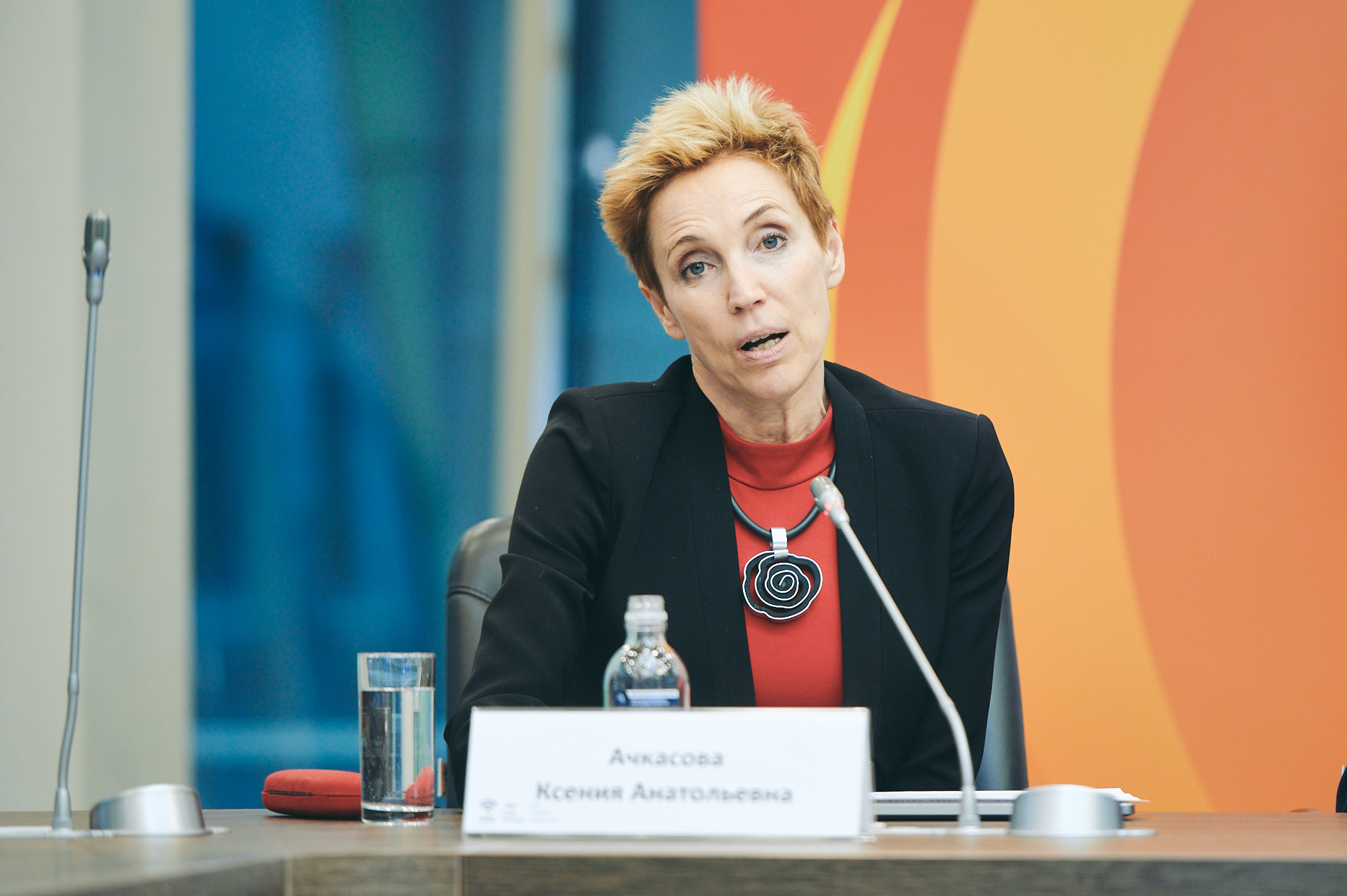
Ksenia Achkasova, Executive Director at Mediascope, spoke on how the media audience was distributed in 2022. Last year, TV mostly featured programmes in the information genres. In total, news and socio-political programmes accounted for a quarter of the time that Russians spent watching major channels, while another quarter was assigned to television series. Entertainment programmes and movies are also included in the top 5 genres. These five genres together made up 80% of TV viewing.
In addition to news, the amount of time spent watching socio-political programmes is also growing: on average, the audience spend half an hour a day watching these programmes. The percentage of such broadcasts doubled and reached 16%.
The audience for news sites and applications is also growing. Almost all Internet users turn to them daily. However, the structure of Internet consumption has not changed significantly over the past year.
Telegram's audience has grown significantly. The average time spent on this platform is now almost 40 minutes a day. At the same time, a significant part of this time (a third) is for information — reading telegram channels. Men and older people devote most of their time to them. For the younger group, entertainment is more important.
As for social networks, 40% of Russians visit VKontakte every day. The platform continues to increase its audience, partly due to the audience flow from other, blocked social networks.
Fatigue accumulates not from the news as it is, but from the means of its transmission — specifically the mobile phone, believes Daria Levchenko, Advisor to the Minister of the Economic Development of the Russian Federation. The phone itself is a source of not only useful or entertaining content, but also irritation — for example, from endless work chats and messages.
‘This fatigue imposes certain obligations on government agencies and businesses — the search for the most accurate and verified channels of information delivery and the formulation of messages in a suitable format. Targeting of communication channels becomes the main way out,’ says Levchenko.
People want to receive messages in the most customized way possible, said Andrey Lavrov, Senior Director of Communications at HSE University. HSE University has responded to this by creating more than 30 of its own channels for different audiences.
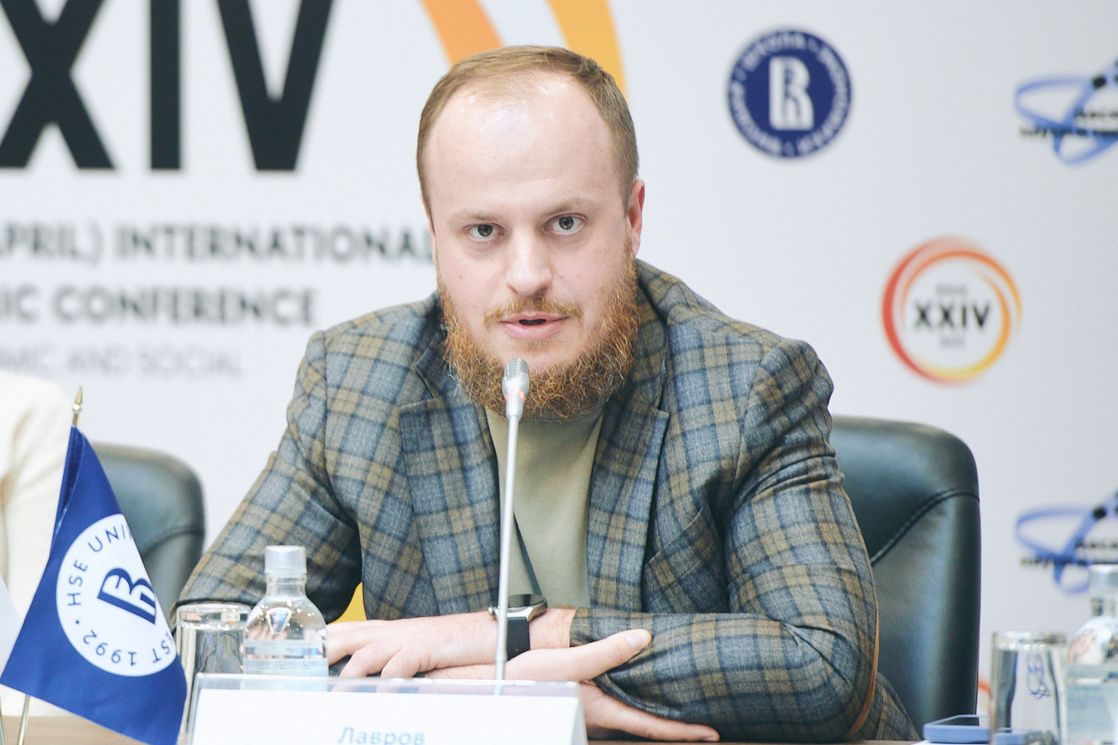
‘People want to receive only useful content, and we are trying to find a large number of groups, subgroups and microgroups within our target audience — this is the most effective means of communication. From this point of view, we are now carefully studying the brand media format,’ he adds. Brand media broadcasts useful content to consumers, telling them both what they need and what they want.
Maxim Ivanov, Deputy Head Editor at Vedomosti Newspaper, noted that media consumption has changed a lot. Since COVID-19, there has been a stream of bad, downbeat news that comes into every home and concerns every family.
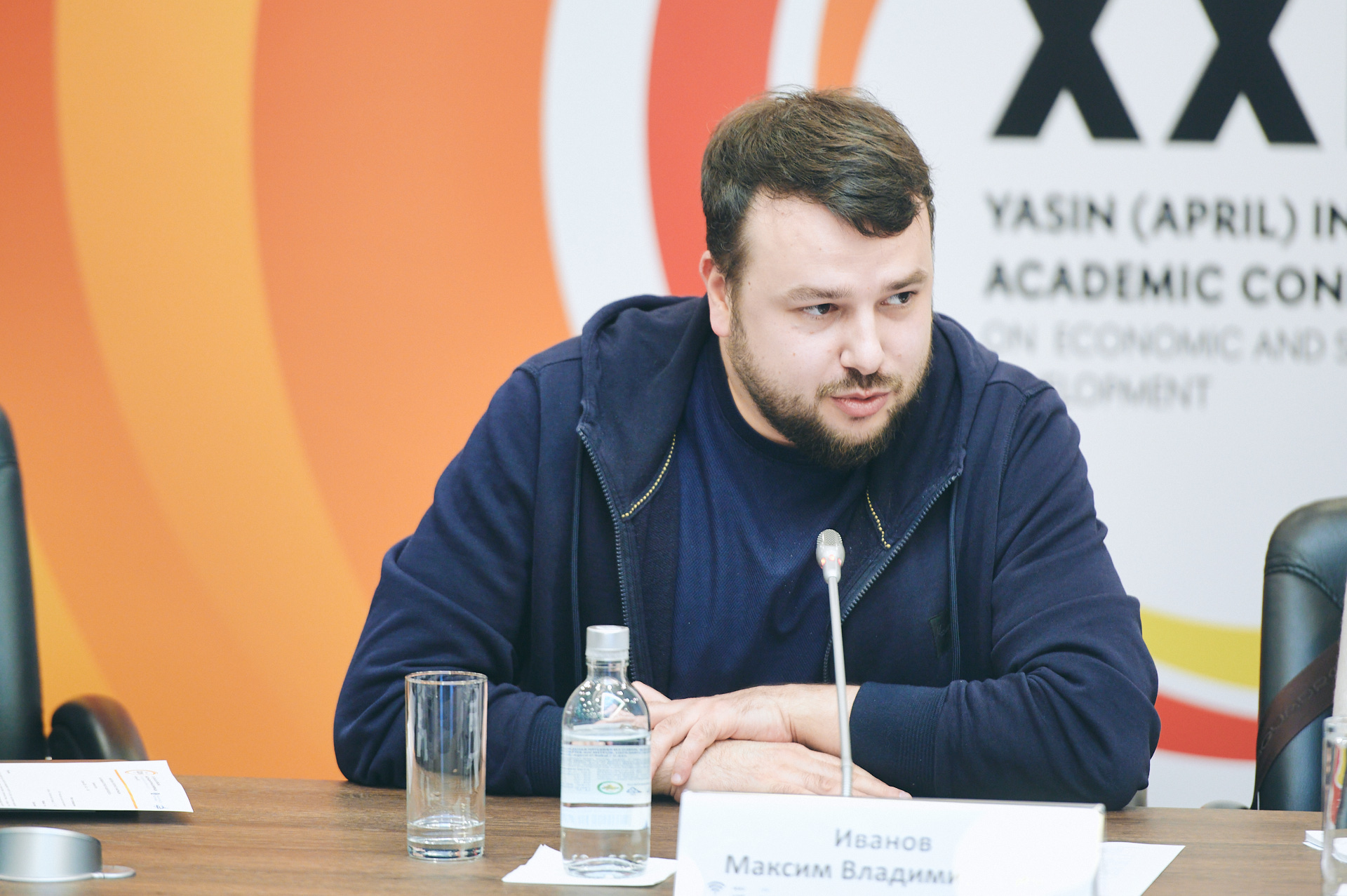
‘The situation in business and socio-political media is a bit different, because behind the inevitable negativity that envelops us, we can always find interesting angles and promote them. People also click on consumer news, and it is much easier to sell this than the negative stories, which everyone else is engaged in,’ he believes.
Ivan Makarov, Head of Media Working Group, ‘News on Dzen’ Project, believes that the future belongs to the retail media format.
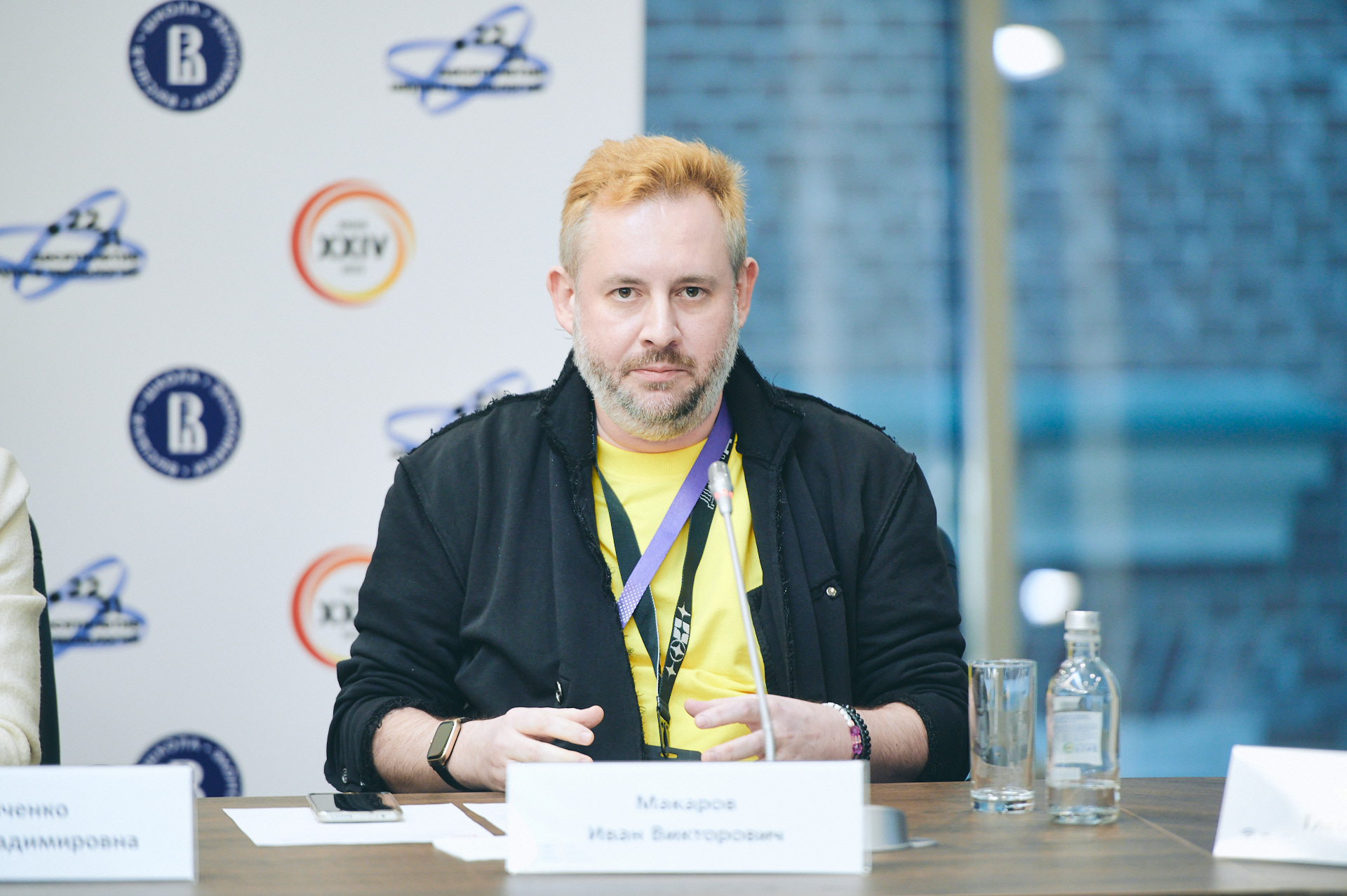
‘Via their superapps, retail really wants to communicate with the consumers from the moment they wake up to the moment they fall asleep and offer them escapist content, entertainment content that contradicts conventional media channels. Over the next two or three years, retail may well recruit an audience at the expense of classic media,’ he believes.
If we talk about the levels of audience content perception, there are only five of them: informational, entertaining, educational, self-actualizing (when a person reads what is trending) and inspirational stories. There is much more informational content than the other groups, while we often miss the inspirational one.
‘Unfortunately, we are still very bad at measuring what people think about particular content, how they relate to it, and what emotions they experience. Now we can only understand what exactly they are watching, but not what they feel about it. And this is a large field for research,’ says Andrey Lavrov.
The event was moderated by Gleb Cherkasov, Director of HSE Media Practices Centre.
See also:

Applications to Participate in April International Academic Conference Now Open
HSE University is now accepting proposals to present academic reports at the XXVI April International Academic Conference named after Evgeny Yasin. Applications can be submitted until December 16, 2025. The conference events will take place mainly on-site in Moscow from April 14 to 17, 2026.
24 Countries Represented at 25th Yasin International Academic Conference Held by HSE University
The Programme Committee of the 25th Yasin (April) International Academic Conference on Economic and Social Development has summed up the initial results. In 2025, 1,384 people from 24 countries and 29 Russian regions participated in the conference, with 335 of them delivering presentations.
Stuck in the Net: How Much Time Children Spend Online
On average, a schoolchild spends 48 hours a week on studies—equivalent to a six-day working week for an adult. This was highlighted by experts at the round table ‘Domains of Children’s Well-Being Evaluation for Human Potential and Evidence-Based Social Policy Development,’ held as part of the 25th Yasin (April) International Academic Conference.
Russian and Chinese Scholars Share Experience of Transformation of Doctoral Education
The Russian and Chinese postgraduate education systems originally borrowed their institutional frameworks from the Soviet Union. However, in the 21st century, they have evolved along different paths. While key performance indicators for postgraduate programmes in Russia are declining, China is seeing a rapid increase in the number of postgraduate students. These contrasting trajectories and the reforms undertaken in each country in recent decades were the focus of a roundtable discussion held as part of the 25th Yasin (April) International Academic Conference.
Nobel Laureate Proposes Solution to Markov Equilibrium Problem
In dynamic games, a Markov equilibrium involves strategies that guide players' behaviour based on the current state of the game, rather than its entire history. This approach is effective when players have access to complete information. But when uncertainty arises in the game—for instance, when players are unsure of who they are dealing with—this approach can become problematic. Eric Maskin, Nobel Laureate in Economics and Professor at Harvard University, addressed this issue in a paper presented at the XXV Yasin (April) International Academic Conference on Economic and Social Development held at HSE University from April 15 to 18, 2025.
‘The World Is Becoming More Complex and Less Predictable’: What Scientists Say about the Future
The future is now more difficult for researchers to forecast, and events that are hard to predict are playing an increasingly significant role. But there is good news too: scientists are confident that humanity will adapt to any changes. This was the focus of discussion at the International Symposium ‘Foresight in a Rapidly Changing World,’ which took place as part of the 25th Yasin (April) International Academic Conference.
Fragmentation and Bloc Formation: How the Global Economy is Changing
Sergey Dubinin, former head of the Bank of Russia and Professor of Finance and Credit at the Faculty of Economics at Moscow State University, has delivered an honorary address at the XXV Yasin (April) International Academic Conference. He spoke about the transformation of the global monetary and financial system, as well as the Russian economy.
More Children, More Happiness: HSE Experts Study Impact of Number of Children on Russians' Assessment of Happiness
Russians with children feel happier than those without children. At the same time, the number of children influences the assessment of happiness: the more children Russians have, the happier they feel. These conclusions were outlined inthe report ‘More Children, More Happiness: The Impact of the Number of Children on Russians’ Assessment of Happiness,’ presented at the XXV Yasin (April) International Academic Conference on Economic and Social Development, held on April 15–18 at HSE University. The study was conducted by Elena Churilova, Senior Research Fellow, and Dmitry Jdanov, Chief Research Fellowat HSE International Laboratory for Population and Health.
HSE Expands Cooperation with Gulf Countries
HSE University and the Centre for International Policy Research (Qatar) have agreed to collaborate in the field of social sciences, with plans for joint research, academic exchanges, and regular expert engagement. The agreement was signed during the roundtable ‘State Capacity and State Resilience in the Global South,’ held as part of the 25th Yasin (April) International Academic Conference at HSE University.
‘We Grow Old before We Become Rich’: How BRICS Countries Can Achieve Economic Growth
Due to population aging, many countries aiming for economic prosperity have limited time left to undergo economic transformation, according to the honorary report Narratives Versus Reality on Employment and Demography: How Undermining Institutions Can Push Countries Out of the ‘Narrow Corridor’ by Santosh Mehrotra of the University of Bath. The report was presented at the XXV Yasin (April) International Academic Conference.